Types of Flooring for Commercial Buildings: Why Epoxy Is a Great Choice
A commercial floor takes a beating, a home floor never will. Forklifts, pallet jacks, foot traffic from open to close, chemical spills and daily cleaning all work against it. Pick the wrong surface, and you pay for it later, in downtime, early resurfacing and avoidable safety incidents.
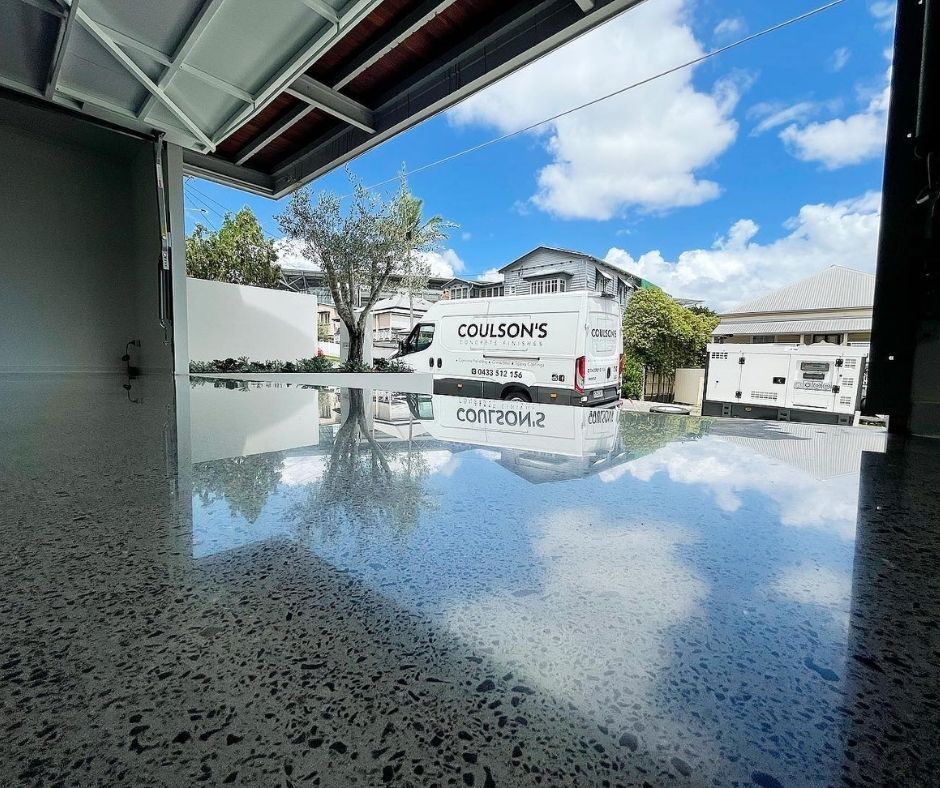
That is why the types of flooring for commercial buildings deserve a proper look before you lock in a fit-out or a refurbishment. Coulson's Concrete Finishes, a decorative and commercial concrete specialist working across the Gold Coast, Brisbane and Northern NSW, has ground back and refinished slabs in warehouses, factories, shopfronts and kitchens. The same question, “Which floor will actually last?” comes up on every job. More often than not, the answer lands on epoxy, but it pays to weigh it against the alternatives first.
Which is the Best Among the Commercial Flooring Types
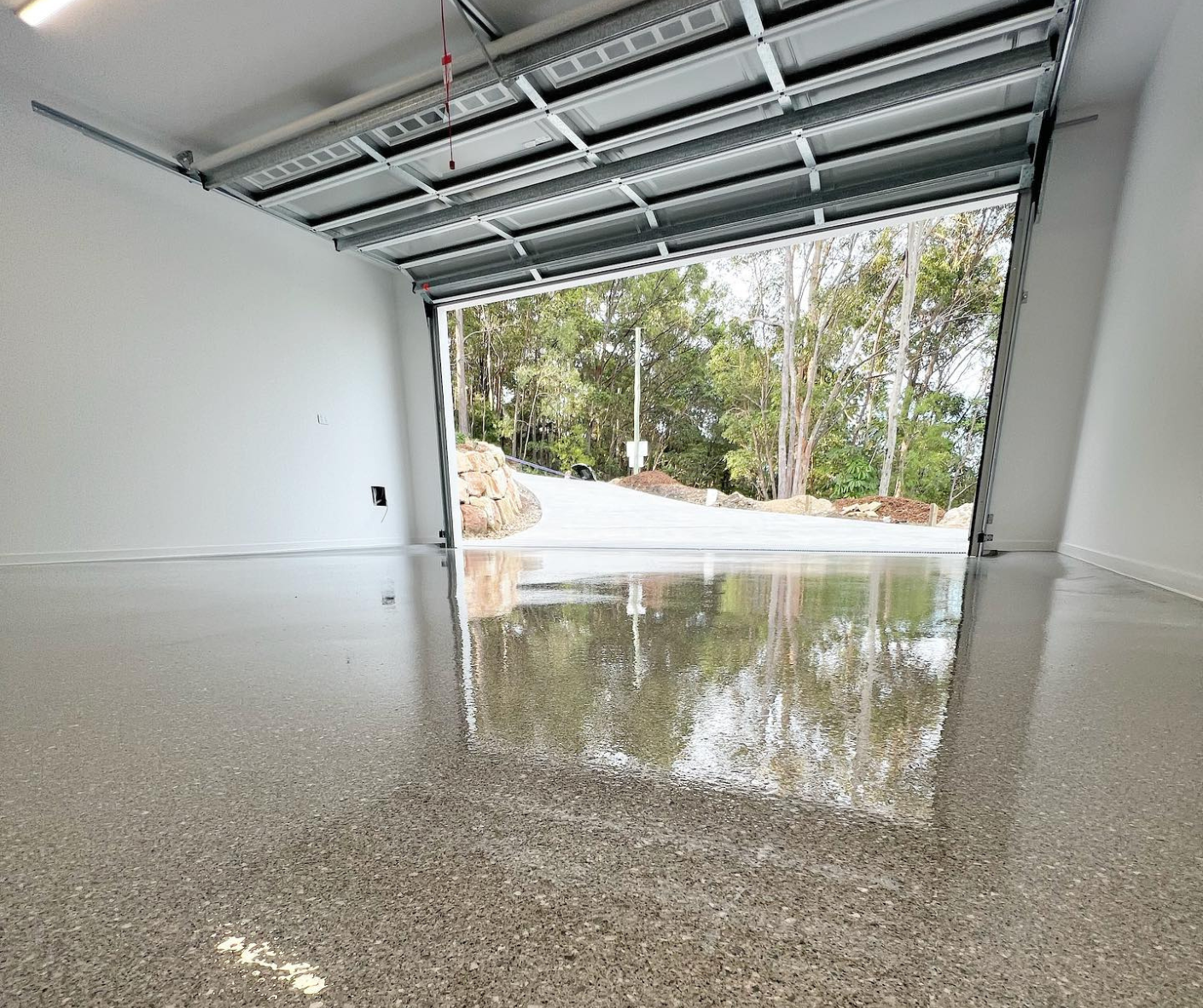
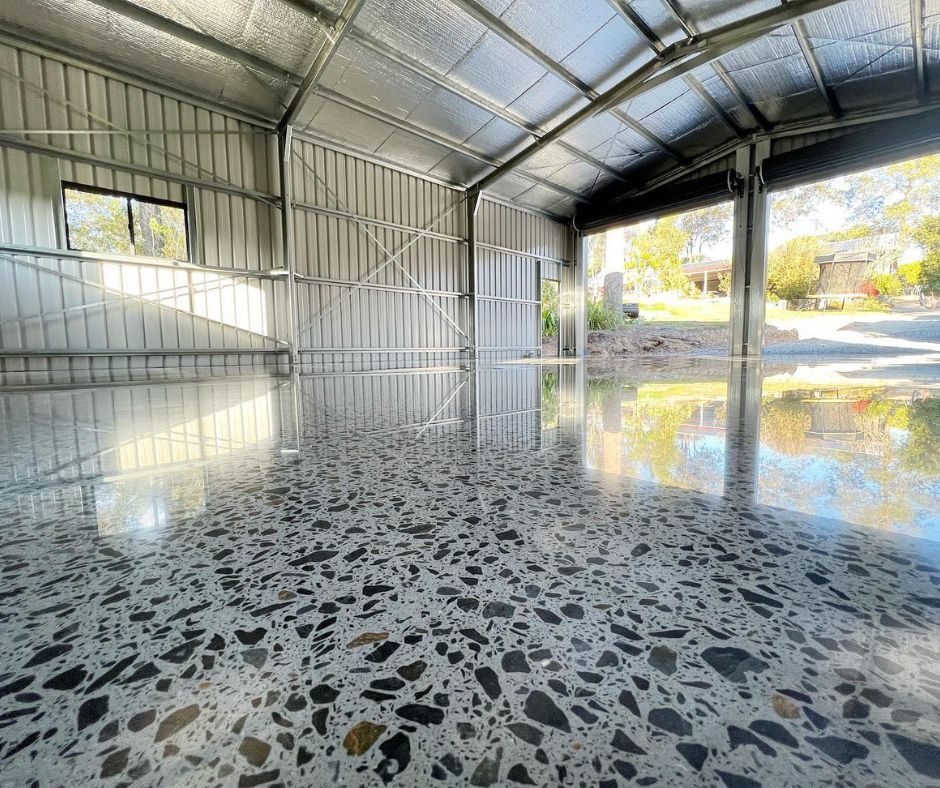
There is no single best floor for every building, but for most high-traffic and industrial spaces, a concrete-based finish gives the best balance of durability, hygiene and low lifetime cost. Grind and seal, epoxy coatings and polished concrete all take heavy loads, resist chemicals and stains, and clean up easily. Of the three, epoxy flooring suits the widest range of commercial settings, from kitchens to workshops, thanks to its seamless, chemical-resistant surface, which is why it is so often the default across warehouses and busy retail floors.
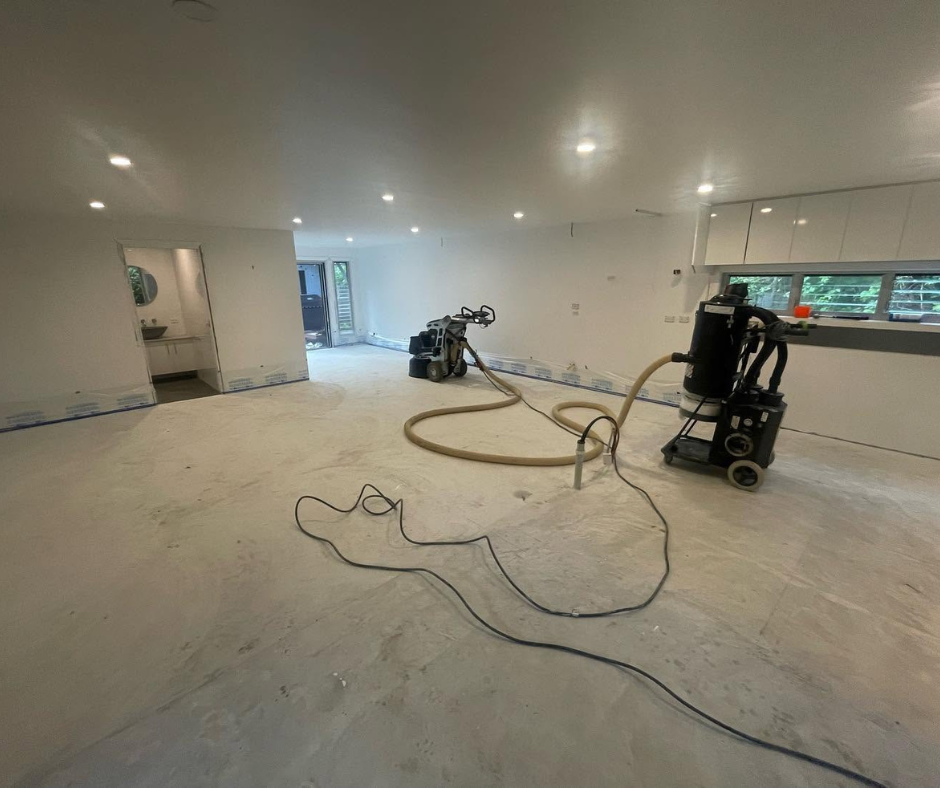
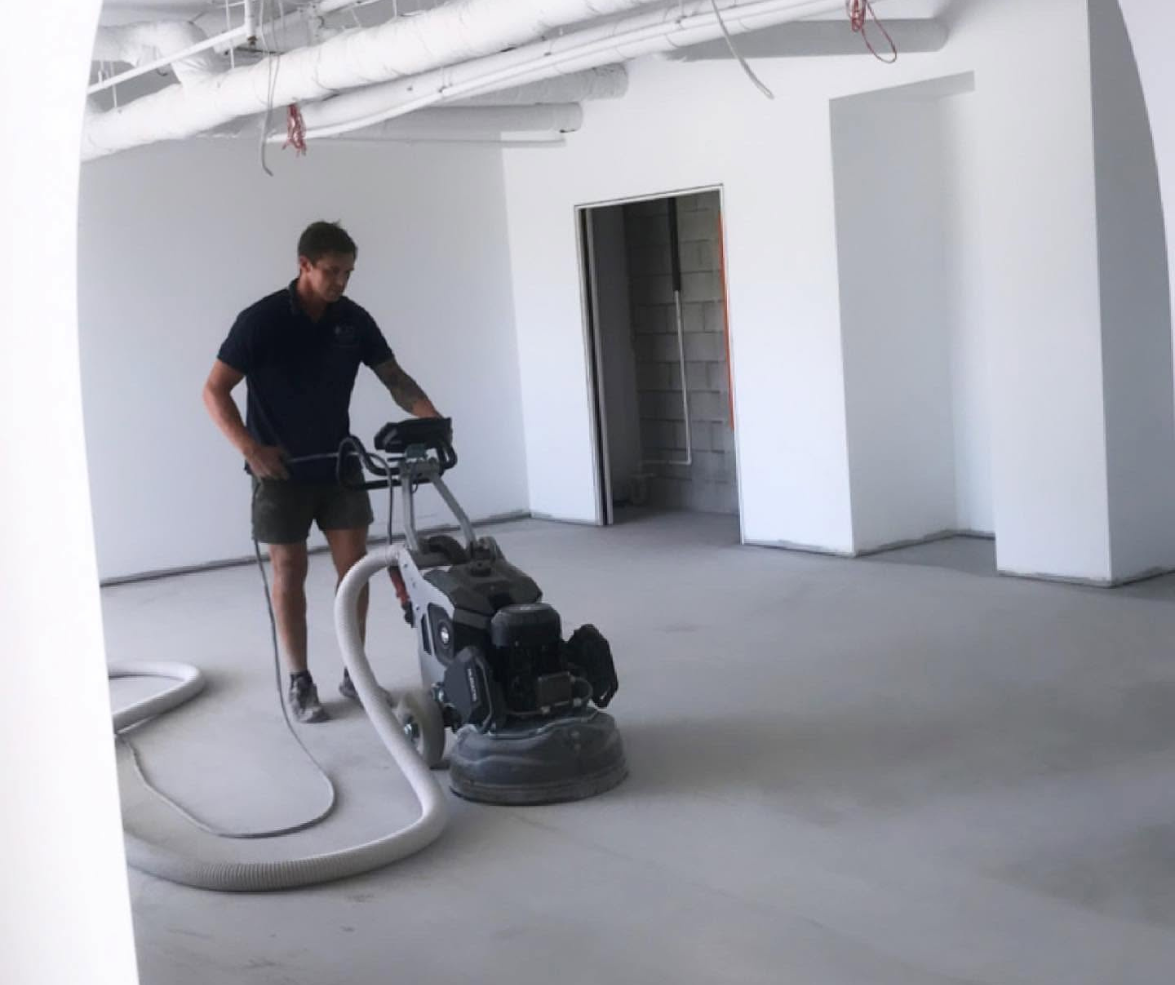
The result depends far more on the slab underneath and the quality of the concrete grinding and surface preparation than on the product name. Get that groundwork right, and almost any finish performs. Skip it, and even the best coating fails early.
The Main Types of Flooring for Commercial Buildings and Industrial Spaces
Before weighing up the concrete options, it helps to see the full field. Every surface has a place, and the right pick comes down to traffic, budget, hygiene needs and how much downtime you can afford during installation.
Vinyl & VCT (Vinyl Composition Tile)
Vinyl sheet and vinyl composition tile are cheap, quick to lay and easy to replace. They suit offices, healthcare corridors and moderate-traffic retail. Under heavy or point loads from racking, they dent, and seams can lift over time.
Carpet & Carpet Tiles
Carpet tiles bring comfort, acoustics and easy access to under-floor cabling, which is why they are common in offices. Individual tiles can be swapped when stained or worn. They are a poor fit for wet areas, kitchens, or anywhere forklifts and trolleys run.
Ceramic & Porcelain Tile
Tile is hard-wearing and water-resistant, so it appears in entries, bathrooms and some hospitality spaces. It can crack under impact, grout lines trap grime, and large tiled areas get slippery when wet unless the right slip rating is specified.
Rubber & Safety Flooring
Rubber and specialist safety flooring deliver grip and cushioning for gyms, plant rooms and wet processing areas. It is quiet and comfortable underfoot, but it is not built for the abrasion and chemical exposure of a working warehouse.
Concrete-Based Finishes
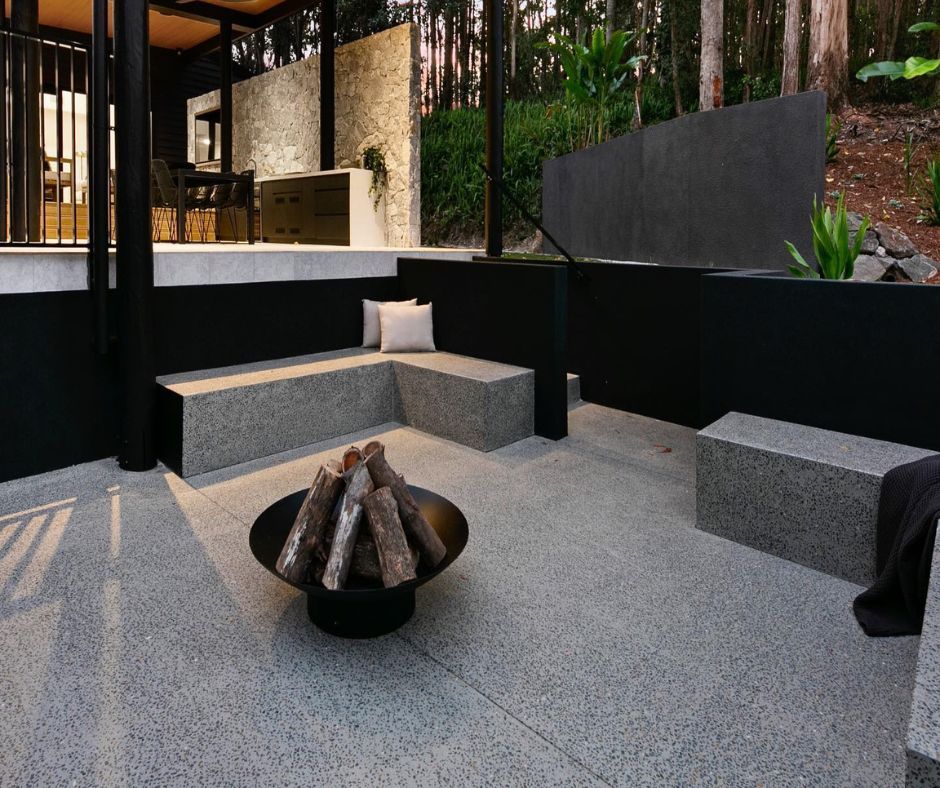
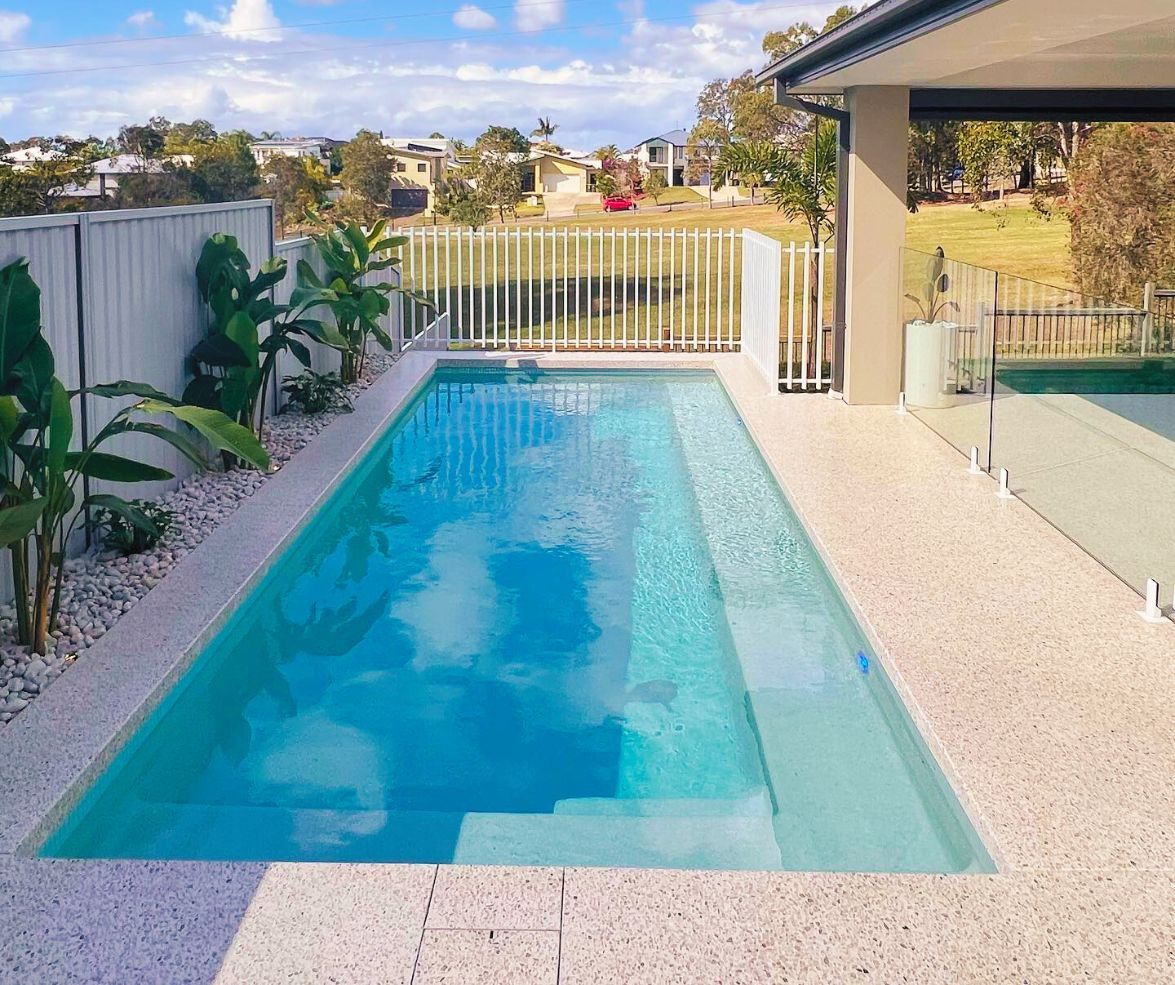
This is where most serious commercial floors end up. Modern concrete finishes, such as grind and seal, epoxy and polished or densified concrete, turn the existing slab into a hard-wearing surface, rather than covering it with something softer that wears out.
Why Grind & Seal & Epoxy Stand Out for Commercial & Warehouse Floors
When it comes to commercial floor finishes that can handle forklifts, spills and daily cleaning, grind and seal, epoxy and polished concrete pull well ahead of the rest, with epoxy the most versatile of the three.
Grind & Seal
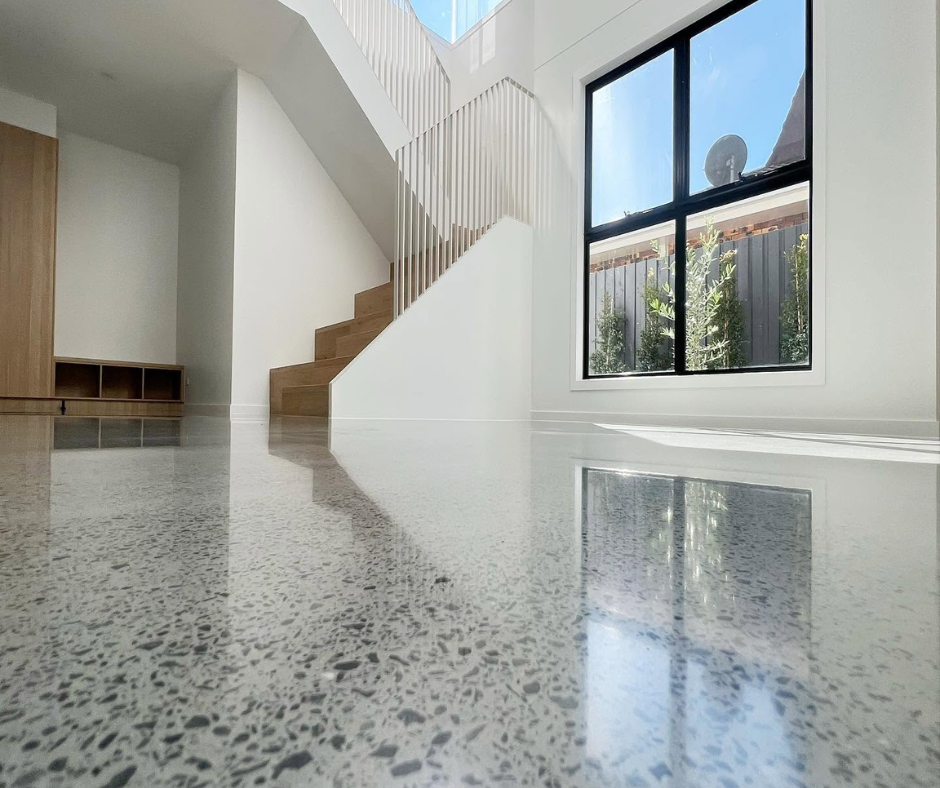
Grind and seal is exactly what it sounds like. The slab is mechanically ground to the chosen finish, then sealed with a durable topcoat. It is tough, cost effective, quick to refresh and can be given real grip with the right additives. It is also the finish most people are actually describing when they say polished concrete.
Epoxy Coatings
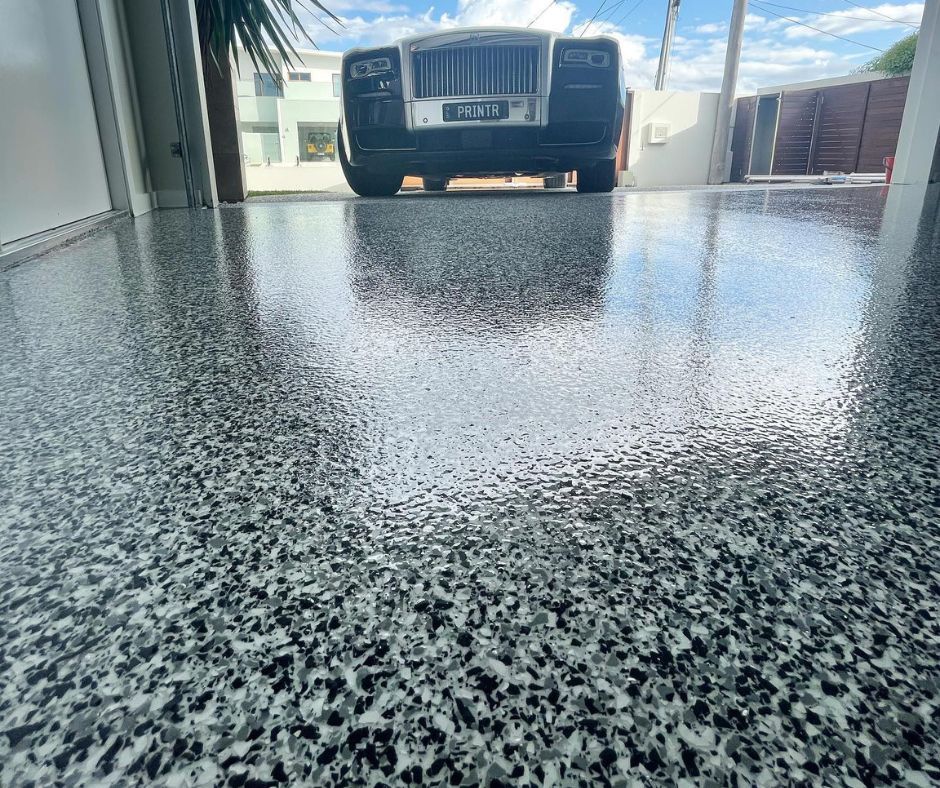
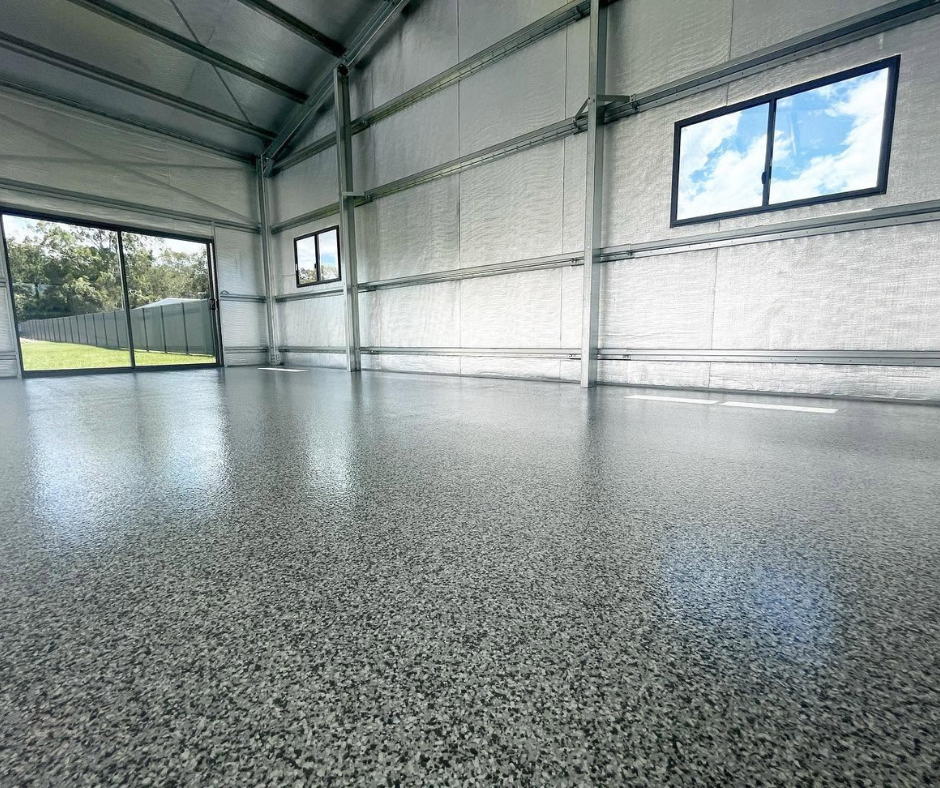
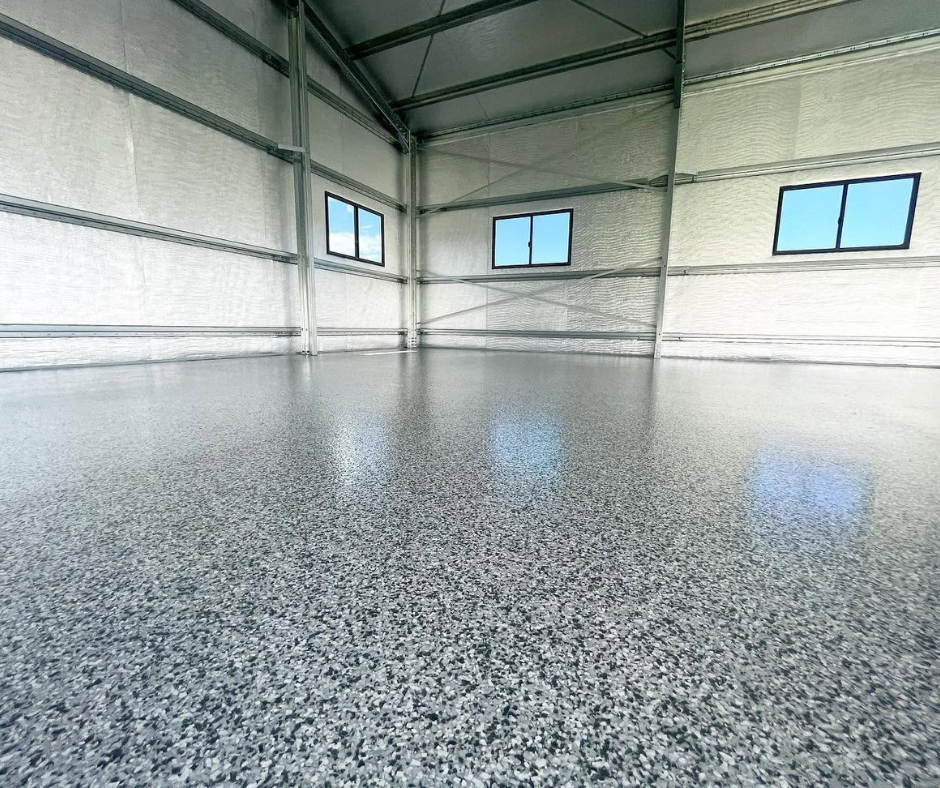
Epoxy bonds to the prepared slab as a seamless, non-porous surface. That seamlessness is why it dominates commercial kitchens, healthcare and food handling. There are no grout lines or joints for bacteria and grime to hide in. It resists oils, chemicals and stains, cures quickly with low odour, so a business can often keep trading through the works, and it can carry anti-slip additives and built-in line marking.
For most commercial and warehouse floors, that combination of hygiene, chemical resistance and quick turnaround makes
epoxy flooring the most versatile of the concrete-based options.
Polished & Densified Concrete
Polished concrete is mechanically ground and honed, then densified so the surface is hard, dust-free and low maintenance, with a clean, modern look. It is slightly more porous than a sealed or coated system, so it suits showrooms, retail and display spaces more than a grease-heavy kitchen.
A point worth stressing across all three is that the finish is only ever as good as the preparation beneath it. Grinding the slab back correctly and dealing with moisture and surface laitance first is what stops a coating from peeling or a seal from failing early. Improper
surface preparation is one of the biggest reasons cheap jobs fail.
How to Choose: Matching the Floor to the Building
There's no one-size-fits-all here, so the smart move is to match the types of flooring to how commercial buildings actually work day to day.
- Warehouses and Distribution Centres: Heavy loads, forklift traffic, dust control and clear line marking point to grind and seal or epoxy.
- Factories and Workshops: Oil, chemical spills and impact call for a chemical-resistant coating.
- Retail and Shopfronts: Appearance matters as much as durability, and short shutdown windows favour fast-curing finishes.
- Commercial kitchens and hospitality: Hygiene, grease and constant moisture make a seamless, slip-rated epoxy the safe bet.
- Healthcare and laboratories: Seamless, non-porous surfaces that sanitise easily are essential.
- Offices and showrooms: Comfort, acoustics and looks lead, so polished concrete, tile or quality vinyl all fit.
What Actually Matters When You Compare Types of Commercial Flooring
It is easy to choose commercial building flooring on install price alone. The floors that last are chosen based on the full picture:
Durability and Load Rating:
Can it handle your heaviest traffic without cracking or denting?
Slip Resistance and Safety:
In Australia, slip resistance is classified under AS 4586 using P ratings (wet pendulum test) and R ratings (oil-wet ramp test), with wet or greasy areas needing a higher-rated finish.
Hygiene and Cleanability:
Seamless surfaces beat jointed ones anywhere food, water, or contaminants are present.
Downtime and Curing:
How long before the space is back in use? Fast-cure systems limit lost trading days.
Maintenance and Lifetime Cost:
A cheap floor relaid twice costs more than the right floor laid once.
Line Marking and Zoning:
Warehouses need durable traffic lanes and safety markings built into the finish.
Here’s a comparison table:
| Flooring type | Durability under load | Slip resistance | Hygiene | Downtime to install | Relative cost | Best suited to |
|---|---|---|---|---|---|---|
| Vinyl / VCT | Low to moderate | Moderate | Moderate | Low | Low | Offices, healthcare corridors |
| Carpet tiles | Low | Moderate | Low | Low | Low to moderate | Offices, quiet retail |
| Ceramic / porcelain tile | Moderate | Varies with rating | Moderate | High | Moderate to high | Entries, hospitality |
| Rubber/Safety flooring | Moderate | High | Moderate | Moderate | Moderate | Gyms, plant rooms, wet areas |
| Grind and seal | High | Can be specified | High | Low to moderate | Moderate | Warehouses, retail, workshops |
| Epoxy | High | Can be specified | Very high | Low to moderate | Moderate | Kitchens, healthcare, industrial |
| Polished concrete | High | Moderate | Moderate to high | Moderate to high | Moderate to high | Showrooms, retail, offices |
Getting the Basics Right: Prep & Common Mistakes
Most flooring failures are not really about the product. Across the commercial flooring types above, the same handful of mistakes cause early failure, such as skipping proper surface preparation, choosing the cheapest quote, ignoring moisture in the slab, and under-specifying slip resistance for wet areas. A floor specified and prepared correctly the first time avoids all four.
On a commercial or industrial site, that is a job for an experienced finisher rather than a DIY afternoon, because the preparation equipment and the moisture and slip decisions are where the real skill sits.
The Bottom Line
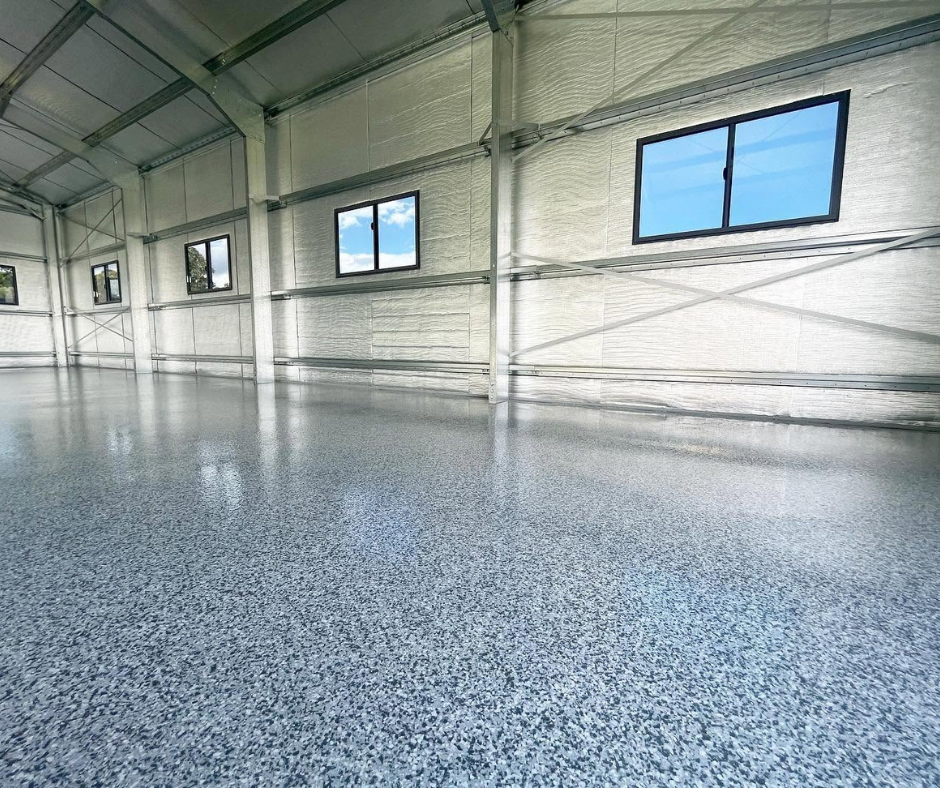
There is no universal best floor, but the pattern is clear. For commercial and warehouse spaces that have to stand up to real traffic, a concrete-based finish delivers the best mix of durability, hygiene and long-term value, and for the widest range of those spaces, epoxy is the most common answer.
Grind and seal and polished concrete each have their place, but get the slab preparation right, match the finish to how the space is used, and the floor pays for itself in fewer repairs and less downtime.
If you are weighing up a floor for a commercial or industrial project,get in touch with the team to talk through the right option for your site.
Key Takeaways
- The main options for commercial spaces are vinyl and VCT, carpet, tile, rubber and concrete-based finishes.
- For heavy traffic and warehouses, concrete-based finishes usually offer the best durability and lowest lifetime cost.
- Grind and seal suits value and grip, epoxy suits hygiene and chemical resistance, and polished concrete suits a low-maintenance, modern look.
- When comparing commercial floor finishes, slip resistance, downtime and hygiene often matter more than the headline install price.
- Poor slab preparation, not the product, is the main reason commercial floors fail early.
Frequently Asked Questions
Which floor is best for commercial use?
There is no single answer, but the best commercial flooring for most high-traffic sites is a concrete-based finish. Grind and seal, epoxy and polished concrete all handle heavy use, resist stains and clean up easily. Softer options like vinyl or carpet tile can work in low-traffic offices, but they wear faster wherever trolleys, forklifts or spills are part of daily life.
What is the toughest commercial flooring?
For heavy loads and constant traffic, a properly prepared epoxy or grind and seal finish is among the toughest and most repairable. Because they bond to or become part of the slab, they take impact and abrasion far better than surface-laid options. Damage can usually be patched rather than fully replaced, which keeps long-term costs down.
What is the best flooring for a warehouse?
Warehouses need a floor that copes with forklift traffic, point loads and dust, with clear line marking for safety. Of the types of commercial flooring available, grind and seal and epoxy are the usual picks because they are hard-wearing, easy to mark out and simple to clean. The right choice depends on chemical exposure and how much downtime you can allow for installation.
Is epoxy or polished concrete better for a commercial floor?
It comes down to the space. Epoxy is seamless and non-porous, which makes it the stronger pick for hygiene and chemical resistance in kitchens, healthcare and workshops, and there are more benefits of epoxy flooring worth weighing up. Polished concrete gives a harder, lower-maintenance surface with a modern look, but it's slightly more porous, so it suits showrooms and retail better than grease-heavy areas.
What flooring is best for a commercial kitchen or healthcare space?
Epoxy is the standard choice here. Seamless and non-porous, it sanitises easily and leaves nowhere for bacteria or grime to sit. When it comes to specifying flooring for commercial spaces with strict hygiene rules, that seamlessness is hard to beat, and a slip-rated finish keeps wet floors safe underfoot.
What is grind and seal flooring?
Grind and seal is a finish where the concrete slab is mechanically ground back, then sealed with a durable protective coating. It is tough, cost-effective and available in different levels of sheen and grip. It is also what most people are actually referring to when they say polished concrete.
How long does a commercial floor last?
A well-prepared and maintained concrete finish can last many years, often a decade or more, before it needs refreshing rather than replacing. That longevity is what makes durable commercial flooring cheaper over its life than a budget surface that has to be relaid. Regular cleaning and the occasional reseal keep it performing.
How much downtime does installing a commercial floor need?
It varies by system and slab condition. Grind and seal and fast-cure epoxy can often be completed with minimal disruption, sometimes over a weekend or in staged sections, so an operating business can keep trading. Full polished concrete and multi-coat epoxy systems take longer because each stage needs curing time.
Can you refresh a commercial floor instead of replacing it?
Yes, and it is one of the quiet advantages of concrete-based commercial flooring types. A worn grind and seal or epoxy floor can usually be re-ground and re-coated rather than torn out, which saves both cost and downtime. Whether a refresh or a full re-do is right depends on the condition of the slab and the existing coating.
How is slip resistance measured for commercial floors?
In Australia, slip resistance is classified under the standard AS 4586 using two main tests. The wet pendulum test, which produces a P rating, and the oil-wet ramp test, which produces an R rating. Wet or greasy areas, such as kitchens and entries, need a higher-rated finish. A finisher can specify anti-slip additives to meet the rating a space requires.