Decorative Concrete Around Pool Areas: Which Finish Suits Your Home?
Your pool surround does more than fill the gap between the pool and the patio. It affects how safe the area feels for kids and guests, how hot it gets underfoot on a summer afternoon, how easy it is to keep clean and how the whole outdoor space ties together visually. Get it right, and the pool becomes the centrepiece of the yard. Get it wrong, and you are dealing with slippery surfaces, faded coatings, cracked finishes and a space that feels tired before its time.
Many Gold Coast homeowners are working with pool surrounds that show their age. Slippery tiles, stained concrete, worn coatings and dated colours are common complaints. Some surfaces have lifted at the edges or developed small cracks that collect dirt and make cleaning harder. Others simply no longer match the style of a renovated home or updated landscaping.
Choosing the right decorative concrete around pool areas can help create a safer, more comfortable and more polished outdoor space. There are several finish options to consider, and the best choice depends on your existing surface, your style preferences and how the area is used day to day.
Quick Answer: What is the Best Decorative Concrete Around Pool Surrounds?
For most Gold Coast homes, honed concrete or exposed aggregate are the strongest choices for pool surrounds because both finishes offer improved traction, durability in outdoor conditions and a look that suits everything from coastal beach houses to modern residential builds.
Coulson's Concrete Finishes specialises in decorative concrete services across the Gold Coast, Brisbane and Northern NSW, including honing, polishing, surface preparation and epoxy flake flooring. The best finish for your property depends on your current concrete condition, the look you are after and safety requirements for the specific area. A professional assessment before choosing a system is always recommended.
Why Decorative Concrete Works Well Around Pool Areas
Before comparing specific finishes, it helps to understand why decorative concrete is such a practical choice for pool surrounds in the first place.
It Can Improve Slip Resistance
Pool surrounds are among the most demanding surfaces in any home. They are constantly exposed to water, sunscreen, bare feet and high foot traffic from guests and children. Standard smooth concrete or polished tiles can become dangerously slick when wet, especially in summer when pool use is at its peak on the Gold Coast.
Textured, honed, exposed aggregate or sealed finishes can all improve traction compared to untreated or overly smooth surfaces. That said, finish selection matters. Not every decorative treatment is appropriate for wet pool zones. A glossy or highly polished surface may look impressive but can compromise safety unless it is correctly specified for outdoor wet areas. Always ask your contractor about the slip rating of any proposed finish before committing.
It Offers a Premium Outdoor Look
The pool area is one of the most visible outdoor spaces in any home, and the surround plays a significant role in how the whole yard feels. Decorative concrete can be adapted to suit modern, coastal, resort-style and family-friendly outdoor spaces. Variables like colour, aggregate exposure, texture and sheen give homeowners a wide range of aesthetic options.
Done well, a decorative concrete surround visually connects the pool to the patio, entertaining area, walkways and landscaping. Instead of looking like separate elements bolted together, the outdoor space reads as a considered whole.
It Is Durable for Outdoor Conditions
Gold Coast pool surrounds face some demanding conditions: intense sun, heavy summer rain, saltwater exposure from the ocean breeze, chlorine splashback from the pool itself and year-round foot traffic. A properly specified decorative concrete system, with correct surface preparation, an appropriate sealer and periodic maintenance, can hold up well under these conditions.
It Can Be Easier to Maintain Than Some Alternatives
Pavers can look great initially, but the joints shift over time, collect weeds and harbour moisture. Timber decking weathers in the Queensland sun, requires regular oiling and can splinter underfoot. Tiles are durable, but grout lines attract algae, and some tile surfaces become extremely slippery when wet.
Decorative concrete eliminates most of those maintenance headaches. The surface is seamless, so there are no joints for weeds or dirt to settle in. Cleaning is generally straightforward, with regular cleaning, prompt stain removal and periodic resealing to keep the pool surround in good condition.
Best Decorative Pool Concrete Finishes for Pool Surrounds
Understanding the main finish options helps you make a more confident decision about what suits your home and how the area will be used.
Honed Concrete
Best for: Premium outdoor areas, modern homes, pool surrounds, patios and entertaining spaces.
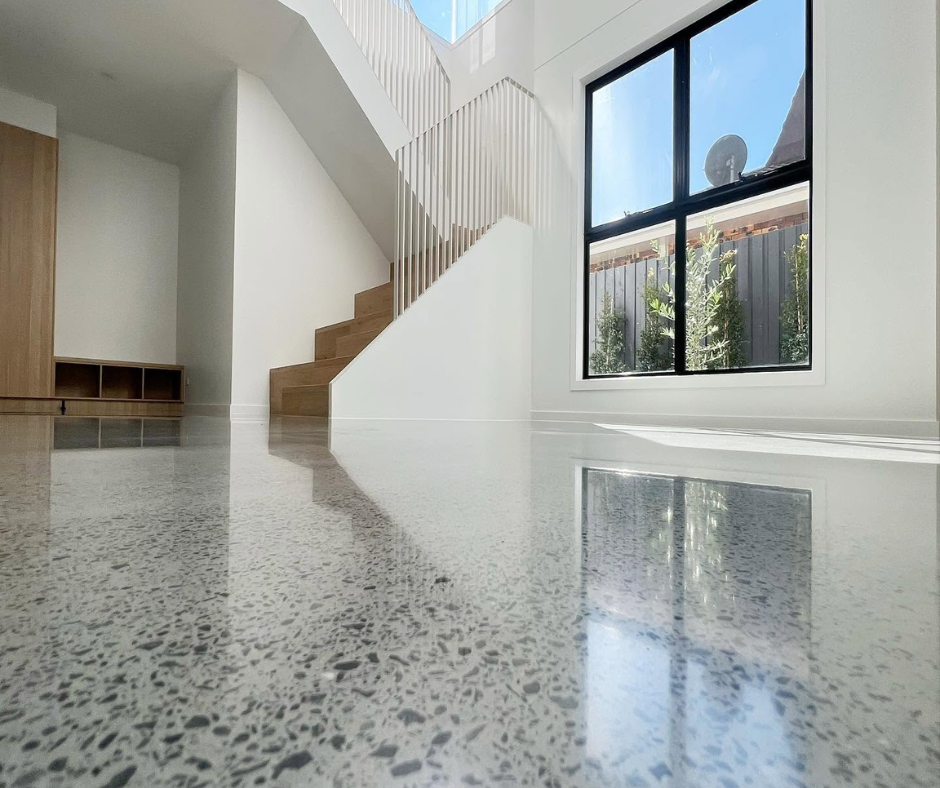
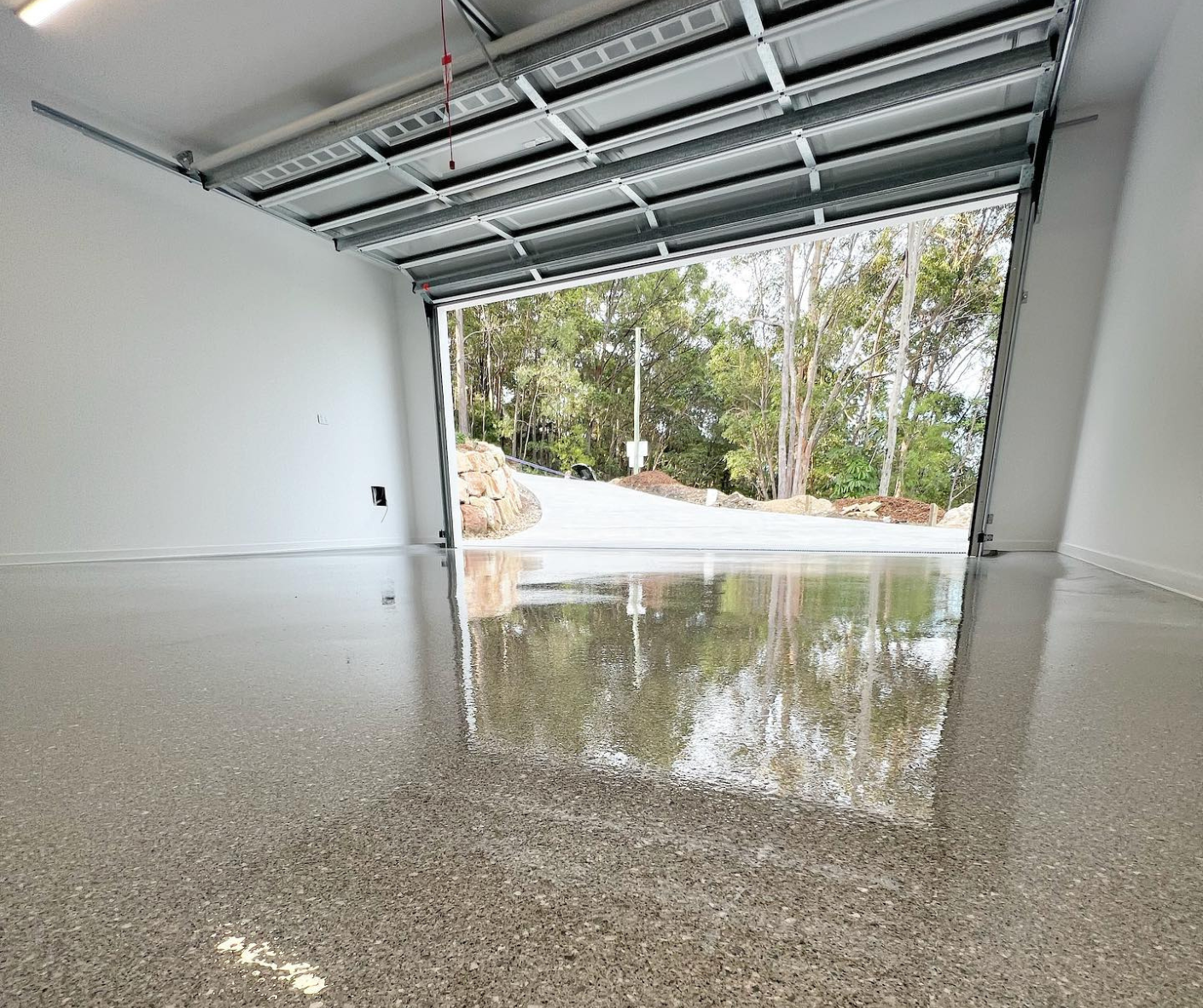
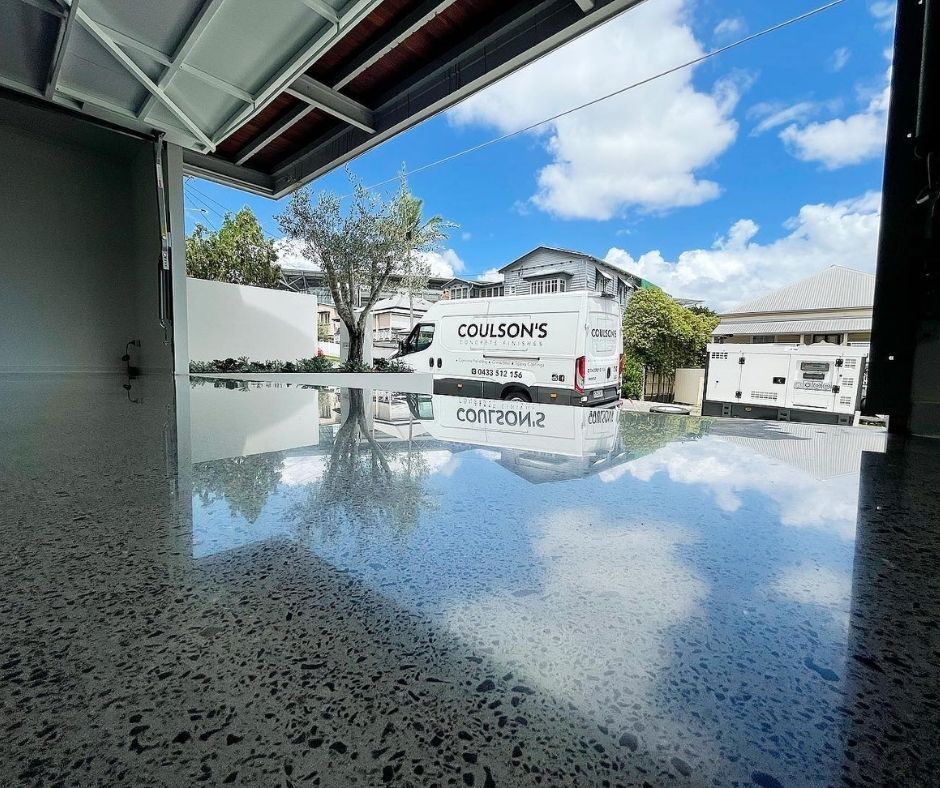
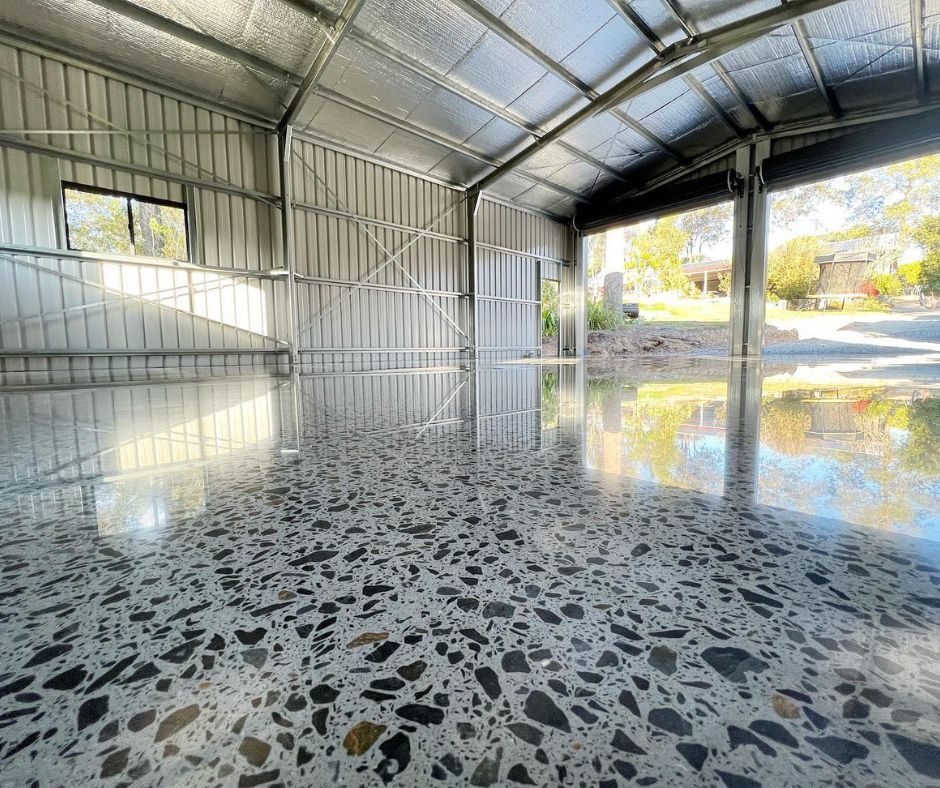
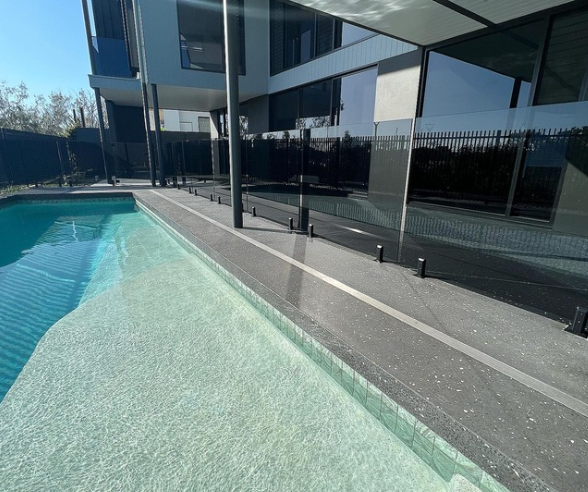
Honed concrete is ground back to expose the aggregate within the slab, then sealed to protect the surface and control the sheen level. The result is a refined, natural-looking finish that sits somewhere between raw concrete and polished stone. It is popular for upmarket residential pool surrounds because it delivers a clean, contemporary look without the cost or complexity of natural stone or large-format tiles.
For pool areas, the combination of textured grinding and the right sealer can provide meaningful improvements in slip resistance compared to untreated or smooth-finished concrete. Aggregate exposure level can be adjusted to achieve a coarser or finer surface depending on how much texture is needed. Sealer choice also matters: a matte or low-sheen sealer is typically more appropriate around wet pool zones than a high-gloss product.
Exposed Aggregate Concrete
Best for: Natural texture, strong grip and classic Australian pool surrounds.
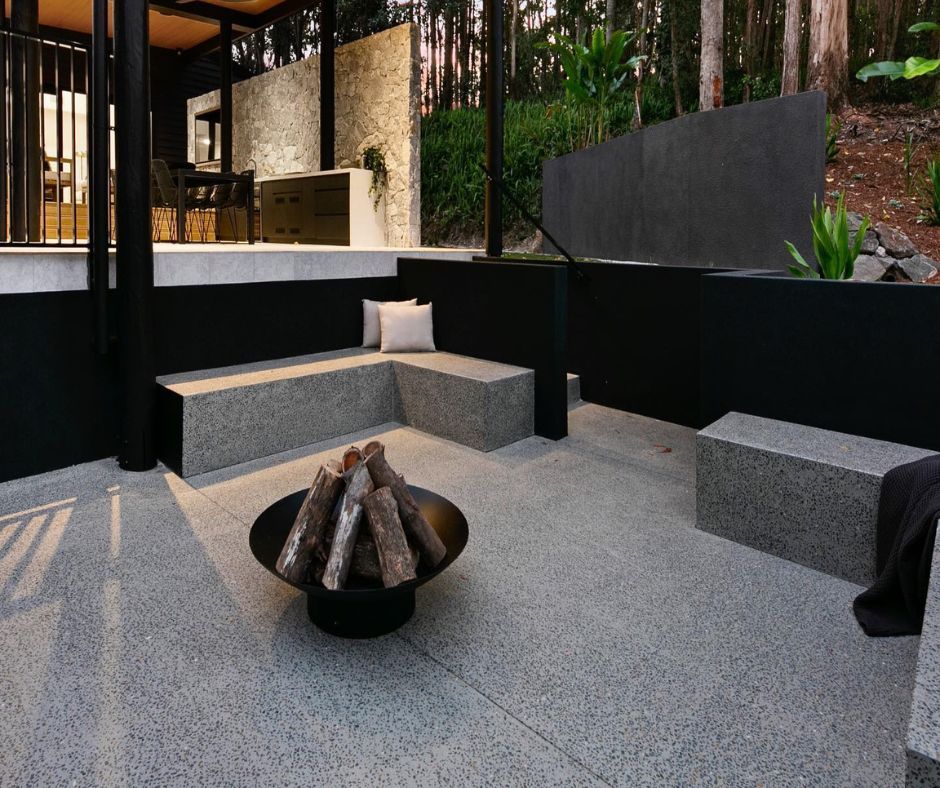
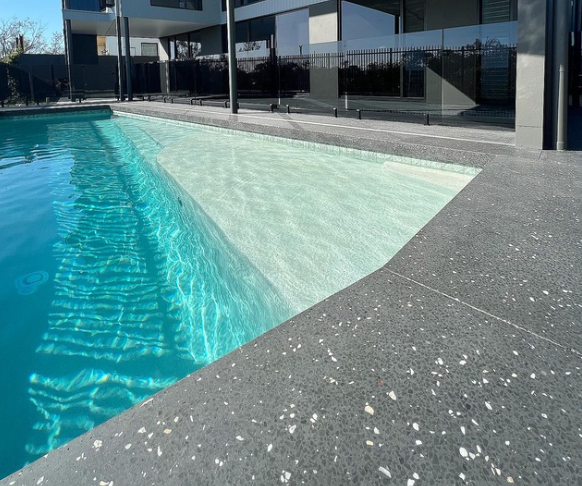
Exposed aggregate reveals the stones, pebbles or shell within the concrete mix by washing back the surface paste during installation. The result is a textured finish with visible stones set into the surface. That texture is part of what makes exposed aggregate a popular choice for pool surrounds. It can provide a reliable grip underfoot even when the surface is wet.
Aggregate type, size and colour can be chosen to complement the surrounding landscape. For Gold Coast properties close to the beach or backing onto natural bush, exposed aggregate often feels like the most natural fit.
Coloured Concrete
Best for: Matching the pool area to the home, landscaping or outdoor entertaining zones.
Colour transforms what would otherwise be a grey utilitarian surface into a deliberate design element. The right tone can complement the home exterior, pick up the colour of the pool water, work with the garden planting or tie the whole outdoor entertaining zone together.
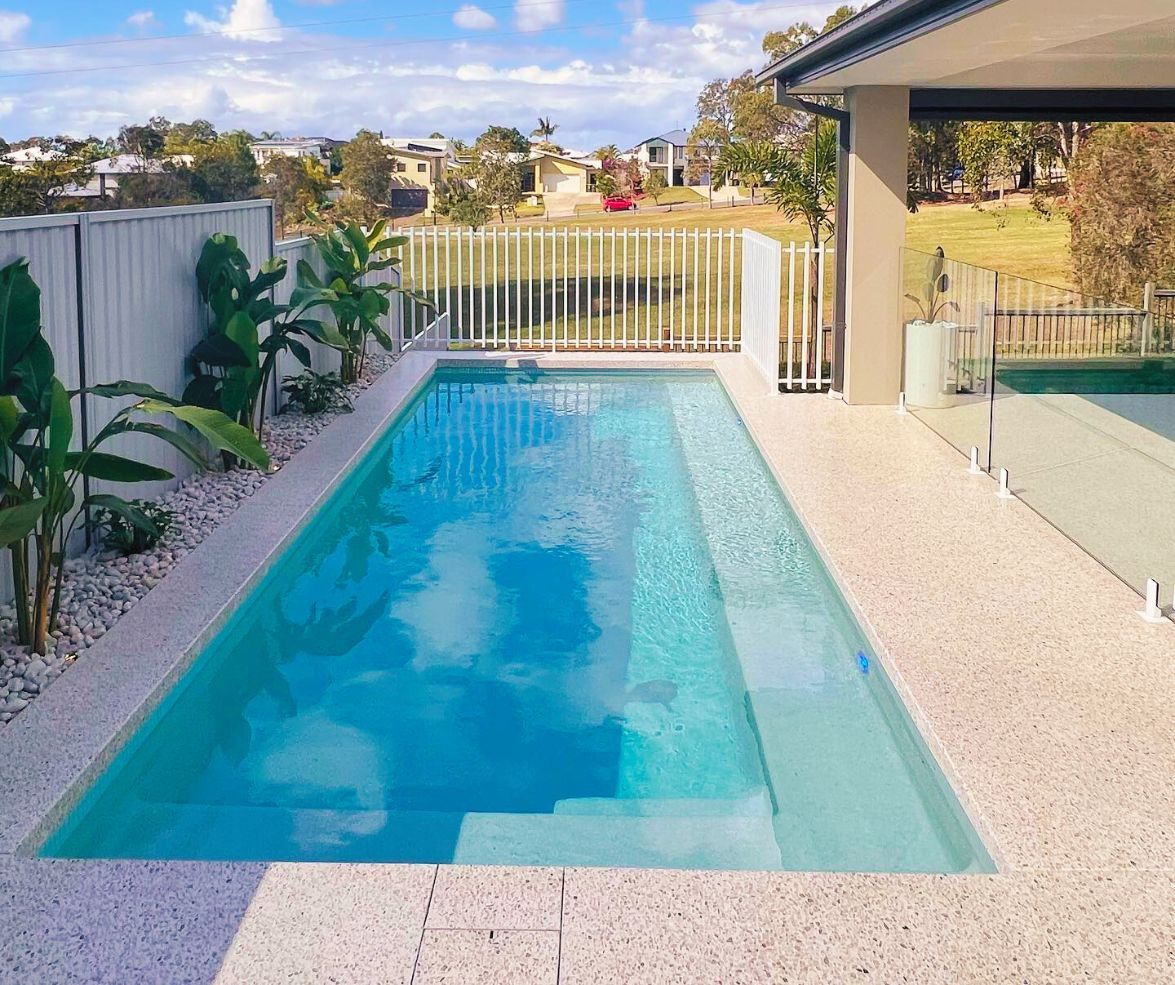
For pool surrounds specifically, lighter tones tend to work well in sunny outdoor areas. A pale sand, warm grey or soft white reflects heat rather than absorbing it, which means the surface stays more comfortable underfoot on hot days. Darker finishes can create a bold, modern look but may feel noticeably hotter under bare feet in full Queensland sun, so that trade-off is worth considering during the selection process.
Textured Concrete Finishes
Best for: Families, high-traffic wet areas and safety-focused pool zones.
Textured finishes include broom-drawn surfaces, stamped patterns and specialised grip-focused sealers applied over existing concrete. The common goal is creating a surface that provides traction without requiring the grinding and sealing process involved in honing or polishing.
For families with young children, older relatives or regular guests, a textured finish prioritises safety over aesthetics. The key is finding the right balance: a surface that grips well but is still comfortable to walk on barefoot. Coarse textures that feel rough on pool decking become unpleasant quickly. A concrete professional can help match the texture level to the specific use of the area.
Epoxy Flake Flooring for Poolside Areas
Best for: Patios, walkways, covered outdoor areas and selected pool-adjacent surfaces.
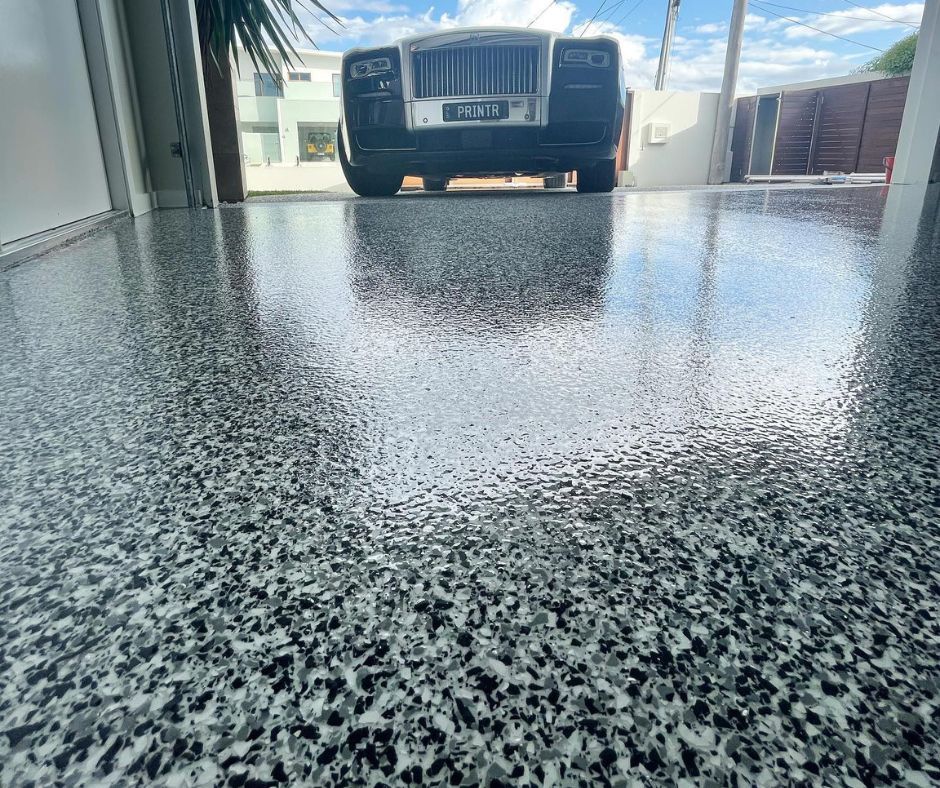
Epoxy flake flooring is available in a wide range of colours and styles and can work well for patios, pool areas, walkways, driveways, offices, gyms and garages. The flake broadcast creates a textured surface with practical grip, and the colour options allow for a high level of customisation.
That said, suitability around pool areas depends on the specific exposure, the substrate condition and the product system being used. Not all epoxy coatings are formulated to handle constant UV exposure and direct water contact in an outdoor setting. If you are considering epoxy for a pool surround, get a professional assessment first to confirm whether the system is appropriate for your specific situation.
How to Choose the Right Decorative Concrete Around Your Pool
Knowing which decorative pool concrete options exist is the start. Choosing between them requires thinking through a few practical considerations specific to your home and how the pool area is used.
Consider Slip Resistance First
Safety leads the decision for pool surrounds. This is not just about personal caution: the area is used by guests, children, older family members and anyone walking between the pool and the entertaining area with bare wet feet. A finish that looks impressive but reduces traction in wet conditions is the wrong choice for this location.
When reviewing options with your installer, ask directly about the finish texture, sealer type and suitability for wet outdoor areas. A good contractor will be able to explain the trade-offs rather than just presenting the most expensive option.
Think About Heat Underfoot
The Gold Coast gets genuine summer heat. A pool surround is walked on barefoot, often during the hottest part of the day. Dark-coloured surfaces in full sun can reach temperatures that are genuinely uncomfortable, particularly for children.
Lighter finishes reflect more solar energy and stay cooler underfoot. This is a practical consideration, not just a style preference.
Match the Finish to Your Home's Style
The best finish is the one that makes sense for the overall look of the property:
- Coastal home: lighter tones, natural aggregate, soft neutral finishes that complement timber and natural materials
- Modern home: honed concrete in Gold Coast grey tones with clean, consistent texture
- Family outdoor area: textured, practical finishes that hold up to heavy daily use
- Luxury resort look: refined honed or exposed aggregate finishes with considered colour and aggregate selection
The goal is a pool surround that reads as part of the home rather than an afterthought.
Factor in Pool Type and Water Exposure
Saltwater pools present slightly different demands than chlorinated pools. Saltwater is corrosive to some sealers and coatings over time. If your pool is saltwater, flag this during consultation so the installer can specify a system suited to that exposure. Chlorinated splashback, sunscreen residue and constant wet-dry cycling are also worth mentioning. A sealer or coating that is resistant to these conditions will outperform one that is not.
Check the Existing Concrete Condition
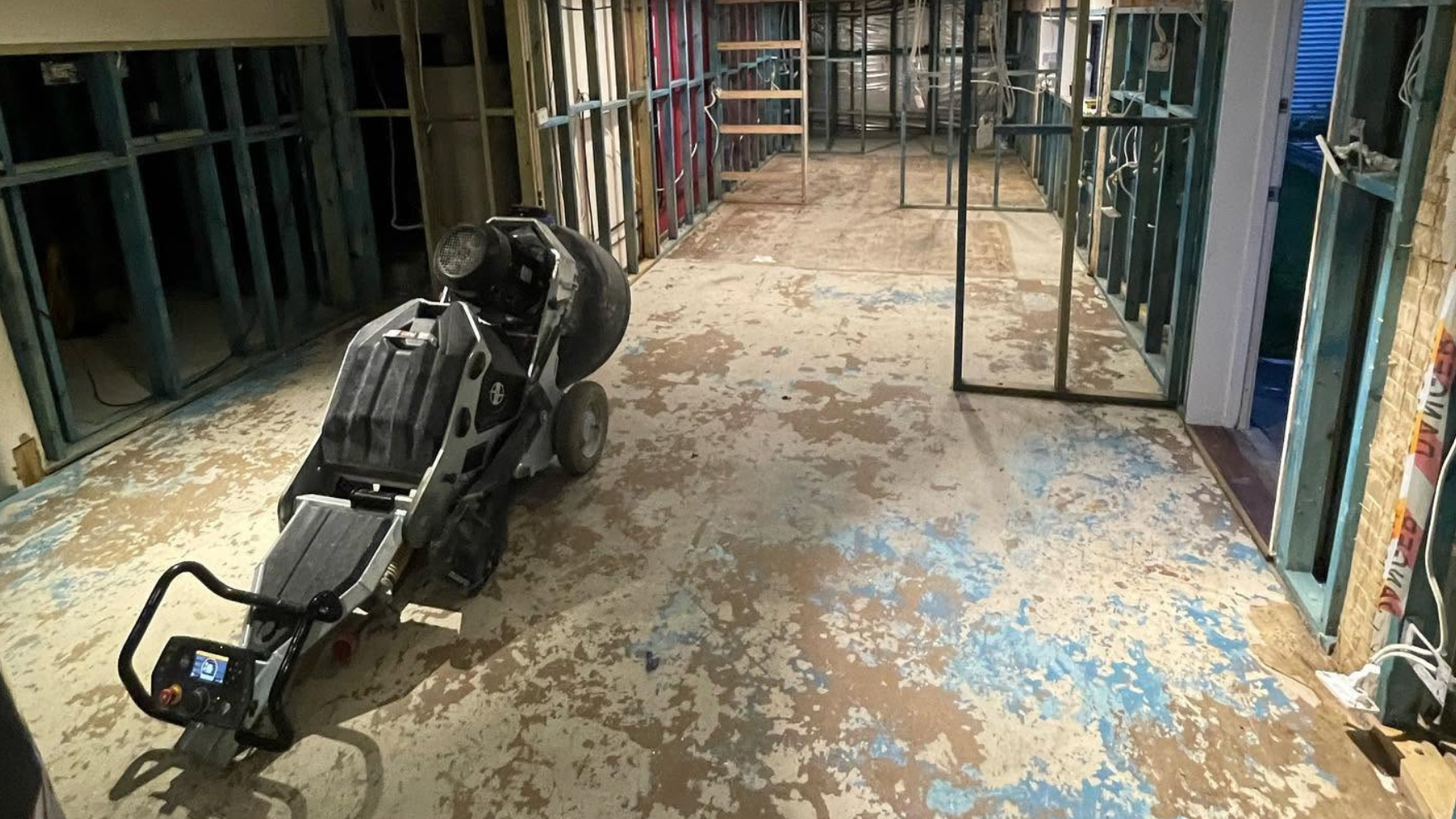
For resurfacing projects, the existing slab needs a proper assessment before any coating or finish is applied. Cracking, movement, drainage problems and surface contamination can all affect whether a new system will bond correctly and perform as expected. This is where Coulson's
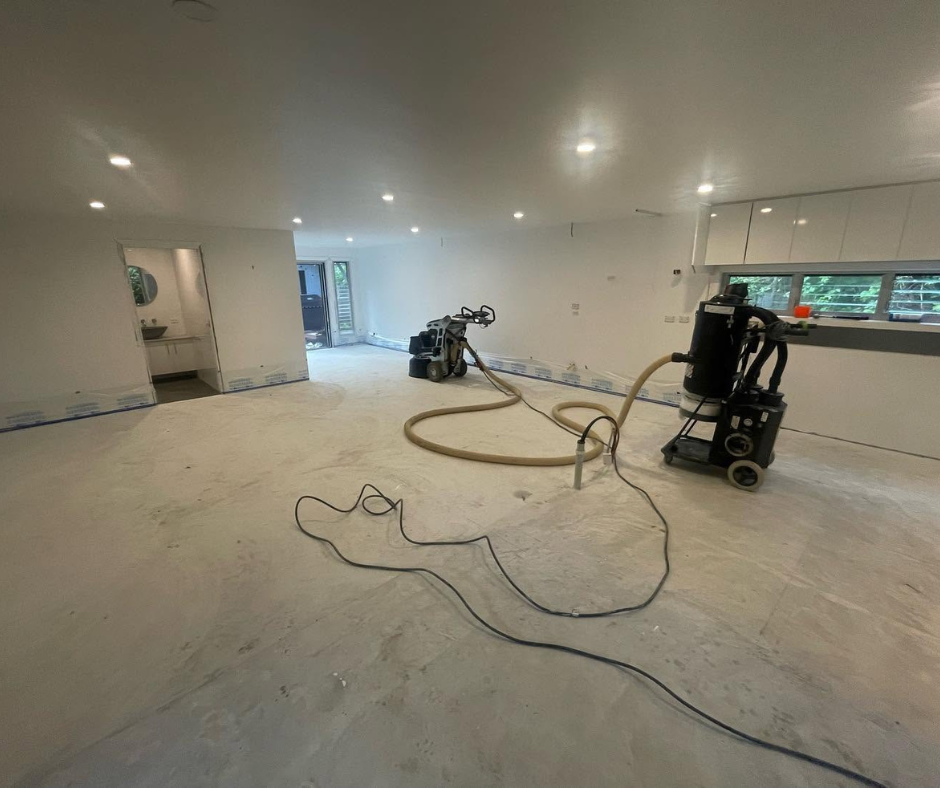
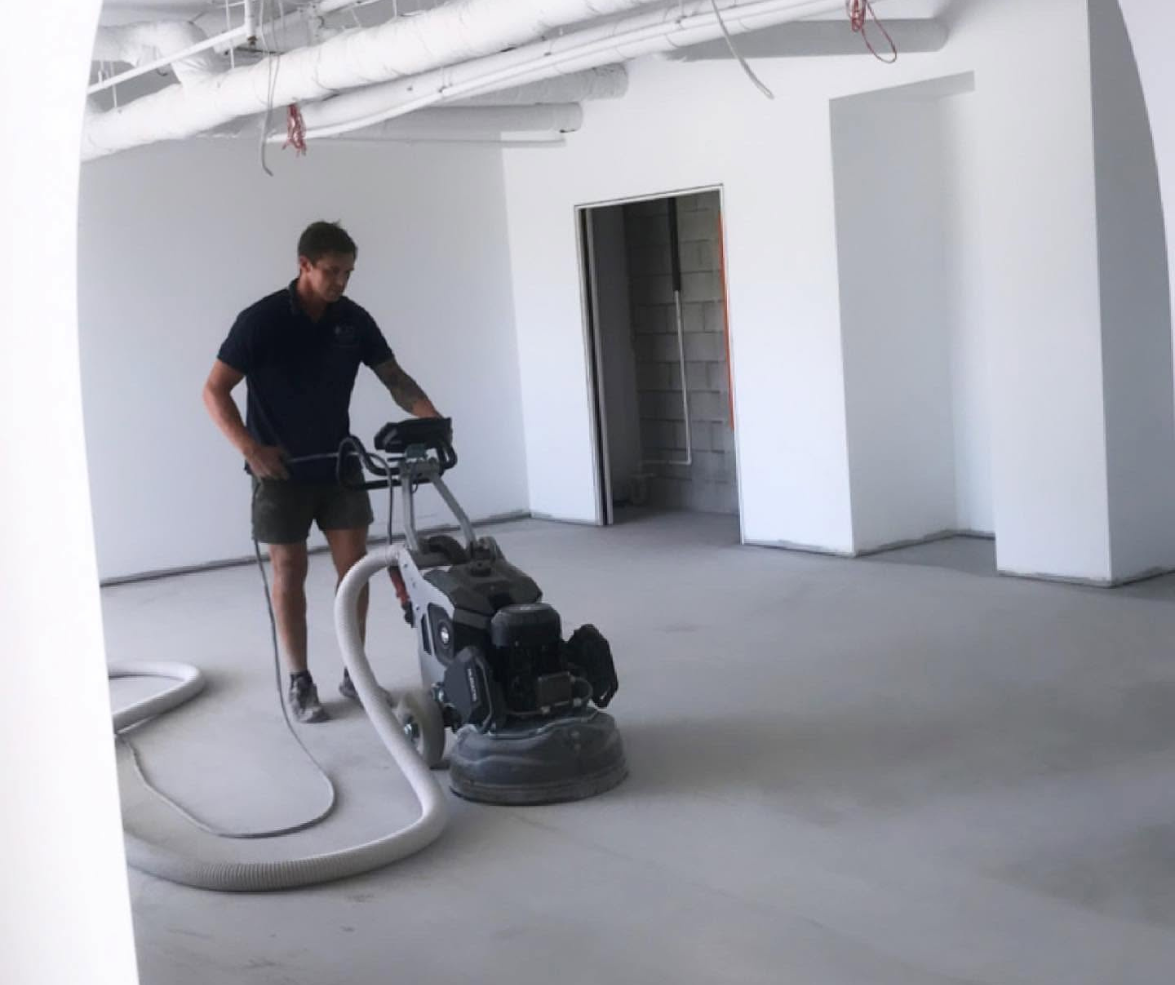
concrete grinding and surface preparation service becomes necessary. Grinding back the surface removes weak material, opens the pores for better adhesion and ensures the finish has a solid foundation. Skipping or rushing this step is one of the most common reasons decorative concrete finishes fail prematurely.
New Concrete vs Resurfacing: Which Is Better Around a Pool?
Many homeowners asking about decorative concrete surfaces for pool surrounds are working with an existing slab. Whether to resurface or replace it entirely is a question worth thinking through before getting quotes.
Choose New Concrete If...
- The existing surface is badly cracked, uneven or structurally compromised
- The pool area is being redesigned, extended or repositioned
- Drainage levels or layout need significant work, as these are much easier to address before new concrete is poured
Choose Resurfacing If...
- The existing concrete slab is structurally sound but looks dated, stained or worn
- The goal is a visual refresh without the disruption and cost of a full replacement
- The main improvements needed are surface texture, colour or coating
Why Professional Assessment Matters
Pool surrounds require correct falls for drainage. Water that cannot move away from the surface efficiently will puddle, creating slip hazards and putting extra pressure on any coating or sealer system. Applying a new finish over concrete that has drainage problems will not solve the underlying issue and may mask it until the coating starts to fail.
A professional inspection assesses the slab for structural integrity, existing falls, surface contamination and anything else that could affect the new system. This step protects the investment in the finished work. Get the assessment before committing to a product or finish.
Decorative Concrete Maintenance Tips for Pool Surrounds
A decorative concrete pool surround is a long-term investment. The right maintenance routine keeps it looking good and extends the life of the finish.
Clean Regularly
Sweep away leaves, grit and debris as part of routine outdoor maintenance. After heavy pool use, hose the surround down to remove sunscreen, chlorine residue and foot traffic dirt. Organic stains from leaves and garden debris should also be cleaned up before they have a chance to penetrate the sealer.
Avoid Harsh Cleaning Methods
Abrasive scrubbing pads and harsh chemical cleaners can damage sealers and degrade the surface over time. Pressure washing can be useful for general cleaning, but aggressive nozzle pressure directed at close range can strip sealer or damage the surface texture. Check with your installer before using a pressure washer, particularly on honed or coloured finishes.
Reseal When Needed
The sealer is what protects the concrete from staining, water penetration and UV degradation. Over time, it wears down through traffic, cleaning and weather exposure. When the sealer starts to look dull, when water no longer beads on the surface or when staining becomes harder to clean off, it is usually time to reseal. Many pool surround finishes need resealing every few years, though the actual interval depends on the product used, the level of traffic and how the area is maintained. Your installer should be able to give you a guide specific to your finish and conditions.
Repair Small Issues Early
Small cracks, worn patches of sealer and areas that have become slippery are worth attending to before they develop into larger problems. A crack left unaddressed can allow moisture to get under the sealer and lift it from the inside. A worn sealer patch left untreated exposes the concrete to staining and water ingress. Preventative maintenance is significantly less disruptive and less expensive than fixing the damage that results from leaving things too long. For a deeper look at how polished and sealed finishes perform over time, it would be best to explore how to get the best quality polished concrete, which covers maintenance considerations that will help you keep your finish in good shape for years to come.
Common Mistakes to Avoid When Choosing Pool Surround Concrete
A few decisions that seem straightforward at the time can create problems once the pool area is in use.
Choosing Looks Over Safety
A highly polished or smooth finish may look exactly right for a modern outdoor space. But if it is not specified correctly for wet areas, it may also be consistently slippery when wet. Aesthetics and safety are not mutually exclusive, but safety needs to be part of the selection conversation from the start rather than a consideration after the fact.
Ignoring Drainage
This one is easy to overlook during planning but shows up quickly once the area is in use. Water that pools on the surround rather than draining away creates slip hazards, increases the load on the sealer and makes the area generally unpleasant after rain or a pool session. Correct falls need to be built in, not assumed.
Picking Dark Colours Without Considering Heat
A charcoal or deep grey pool surround might look striking on a design board. On a 32-degree Gold Coast afternoon with kids walking barefoot between the pool and the patio, the same surface can become genuinely uncomfortable. Darker finishes suit some homes perfectly, but factor in sun exposure and barefoot use before committing to a deep tone.
Skipping Surface Preparation
Coatings, sealers and overlays need a properly prepared substrate to bond to. Applying a new system over contaminated, weak or poorly profiled concrete is a shortcut that typically shows up as peeling, delamination or uneven adhesion within a year or two. Coulson's concrete grinding and surface preparation work addresses exactly this: grinding back the surface to create a clean, profiled substrate ready for whatever finish goes on top.
Not Asking About Maintenance
Every decorative concrete system has its own cleaning and maintenance requirements. Before the job is finished, ask your installer what products to use for cleaning, how often the surface needs resealing and what to avoid. Homeowners who understand what their finish needs from day one get significantly more years out of it than those who find out later. Knowing
the difference between a grind and seal and polished concrete and other finish systems, and how they affect ongoing care is important before you decide.
Why Work With a Decorative Concrete Specialist
Decorative concrete surfaces for pool surrounds involve a lot of moving parts: slip resistance requirements, drainage falls, UV and water exposure, the condition of the existing substrate, sealer compatibility and finish selection. Getting all of those things right in combination requires experience, not just product knowledge.
Coulson's Concrete Finishes services the Gold Coast, Brisbane and Northern NSW, offering concrete honing, polishing, surface preparation and epoxy flake flooring for residential and commercial projects. Our completed works come with a quality guarantee and the kind of workmanship that comes from years of hands-on experience with Queensland outdoor conditions. From identifying surface preparation requirements before a job starts to selecting the right sealer for a saltwater pool environment, the expertise that sits behind a well-executed decorative concrete finish makes a visible difference to the finished result.
Final Thoughts: Creating a Safer, Better-Looking Decorative Concrete Surfaces for Pool Surrounds
Decorative concrete can meaningfully improve the look, feel, safety and usability of a pool area. The right finish eliminates the common frustrations of tired, slippery or difficult-to-maintain pool surrounds and replaces them with a surface that works well day-to-day and looks like it belongs with the rest of the home.
The best option depends on the current surface condition, the desired style, safety requirements, the type of pool and the budget. Honing, exposed aggregate, textured finishes, resurfacing and epoxy-style systems all suit different situations. The starting point is always an honest assessment of what the existing slab can support and what the finished space actually needs.
Considering decorative concrete around your pool?
Contact Coulson's Concrete Finishes to discuss finish options for your property.
Key Takeaways
- Decorative concrete around pool areas can improve safety, appearance and ease of maintenance when correctly specified and installed.
- Honed concrete is a strong option for homeowners wanting a refined, premium outdoor finish with good slip characteristics.
- Exposed aggregate and textured finishes are popular for pool surrounds because they provide reliable grip underfoot in wet conditions.
- Lighter colours are more comfortable underfoot on hot days and tend to suit sunny Gold Coast pool areas well.
- Existing concrete may be suitable for resurfacing if the slab is structurally sound, with no significant cracking, movement or drainage issues.
- Proper surface preparation, correct sealer selection and appropriate drainage falls are essential for long-lasting results.
- Pool surrounds should always be assessed by a professional before choosing a finish or coating system.
Frequently Asked Questions
What is the best decorative concrete around pool areas?
There is no single best finish because the right choice depends on the home's style, the existing slab condition and how the area is used. Honed concrete and exposed aggregate are consistently popular for pool surrounds because both can provide good slip resistance and durability in outdoor conditions. Honed concrete suits modern and contemporary homes well. Exposed aggregate works well where a natural, textured finish is preferred. A professional consultation with a decorative concrete specialist will give you a recommendation specific to your property.
Is decorative concrete slippery around a pool?
It can be if the wrong finish is chosen. Smooth or highly polished surfaces without an appropriate non-slip sealer may reduce traction when wet. The right finish, specified correctly for a wet outdoor area, can actually improve slip resistance compared to untreated concrete or the wrong type of tile. Always ask your installer about the slip rating of the proposed product system before committing, and be specific about the fact that the surface is around a pool.
Can existing concrete around a pool be resurfaced?
In many cases, yes. If the existing concrete slab is structurally sound, has no significant movement or cracking and drains correctly, it may be a good candidate for resurfacing rather than replacement. The surface will need to be assessed, prepared and ground back before any new coating or finish is applied. A professional inspection is the only reliable way to determine whether the existing slab is suitable.
Is honed concrete good for pool surrounds?
Honed concrete is a popular choice for pool surrounds and, when specified correctly for outdoor wet areas, can perform very well. The key factors are aggregate exposure level, sealer type and the slip rating of the finished surface. Not all honed concrete finishes are the same, and the sealer used makes a significant difference to both grip and durability in an outdoor pool environment. Ask your installer specifically about the wet-area suitability of their proposed system.
What colour concrete is best around a pool?
Lighter colours tend to work best for pool surrounds that receive direct sun, because they stay cooler underfoot and are more comfortable for barefoot use. Soft greys, warm whites and natural sand tones are popular choices on the Gold Coast. Darker finishes can look striking and suit some modern homes well, but they absorb more heat and can become uncomfortable in summer. Colour choice should factor in sun exposure, barefoot use and how the surround will look alongside the pool water, home exterior and landscaping.
How do you maintain decorative concrete around a pool?
Regular sweeping and hosing down after pool use keeps the surface clean. Sunscreen, organic staining and chlorine residue should be removed promptly before they break down the sealer. Avoid harsh chemicals or abrasive scrubbing tools. When the sealer starts to show wear, having it reapplied protects the underlying concrete and keeps the finish performing as intended. Ask your installer for product-specific cleaning guidance at the time of installation.
How often should the pool surround concrete be resealed?
It depends on the product system used, the level of traffic and exposure, and how the surface is maintained. Many pool surround finishes benefit from resealing every two to four years, but this is a guide rather than a rule. Watch for signs that the sealer is wearing: water no longer beads on the surface, the finish looks dull, or staining becomes harder to remove. Your installer can give you a more precise recommendation based on the specific product and the conditions at your property.
Is decorative concrete better than pavers around a pool?
Both have genuine merits, and the better choice depends on the situation. Pavers offer flexibility for repairs and can look excellent. Their drawback is the jointing, with grout and mortar lines that collect dirt, algae and weeds over time, require periodic maintenance and can shift or crack. Decorative concrete is a seamless surface with no joints, which simplifies cleaning and removes the weed problem. It also allows more control over colour and texture as a unified finish. Pavers may be preferable where future access to underground services is a consideration, since individual pavers can be lifted and replaced.
Can decorative concrete handle saltwater pools?
Yes, with the right product system. Saltwater is corrosive to some sealers and coatings, so it is important to tell your installer that you have a saltwater pool. A correctly specified sealer rated for saltwater and outdoor conditions will hold up well. Using a standard interior or low-exposure product around a saltwater pool is likely to result in premature sealer breakdown. This is one of the reasons a professional assessment before choosing a system matters.
Who installs decorative concrete pool surrounds on the Gold Coast?
Coulson's Concrete Finishes provides decorative concrete services across the Gold Coast, Brisbane and Northern NSW. We offer honing, polishing, surface preparation and epoxy flake flooring for residential and commercial projects. Contact our team for a quote or to discuss finish options for your pool surround.