When Do You Need to Grind a Concrete Floor Before Coating?
You have decided to coat your concrete floor, and somewhere in the research, you keep running into the same instruction: grind it first. It is a fair thing to question. Grinding adds time and cost, and if the floor already looks clean and flat, it is tempting to skip straight to the coating. So, when do you need to grind a concrete floor before coating, and when can you get away with less?
The short version is that most floors do need grinding, and the reason has nothing to do with how the surface looks to the eye. It comes down to whether the coating can physically bond to the concrete underneath. Skip that step on the wrong floor, and the coating will not last, no matter how good the product is.
This guide walks through exactly when
surface grinding is essential, the handful of situations where it can be reduced, and what actually happens if you coat over an unprepared slab.
When Do You Need to Grind a Concrete Floor Before Coating
In most cases, yes, you need to grind a concrete floor before coating it. Concrete cures with a thin, smooth layer of cement paste on top called laitance, and coatings cannot grip that layer reliably. Grinding removes it, opens up the pores in the concrete, and creates the fine texture a coating needs to lock onto. Without that texture, the coating sits on the surface rather than bonding into it.
The main exception is a brand-new slab with no sealers, no contamination, and no previous coatings, where a lighter preparation may sometimes be enough. Even then, the floor still needs to be fully cured and checked for moisture first.
At
Coulson's Concrete Finishes, surface preparation is the first thing assessed on every job, because it is the single biggest factor in whether a coating lasts for years or starts peeling within months.
Why Grinding Matters Before Any Floor Coating
A coating holds onto concrete through two types of bond. The first is a mechanical bond, where the coating grips the microscopic texture in the surface. The second is a chemical bond, where the coating adheres to clean, exposed concrete. The strongest, longest-lasting results come from achieving both at once, and grinding is what makes both possible.
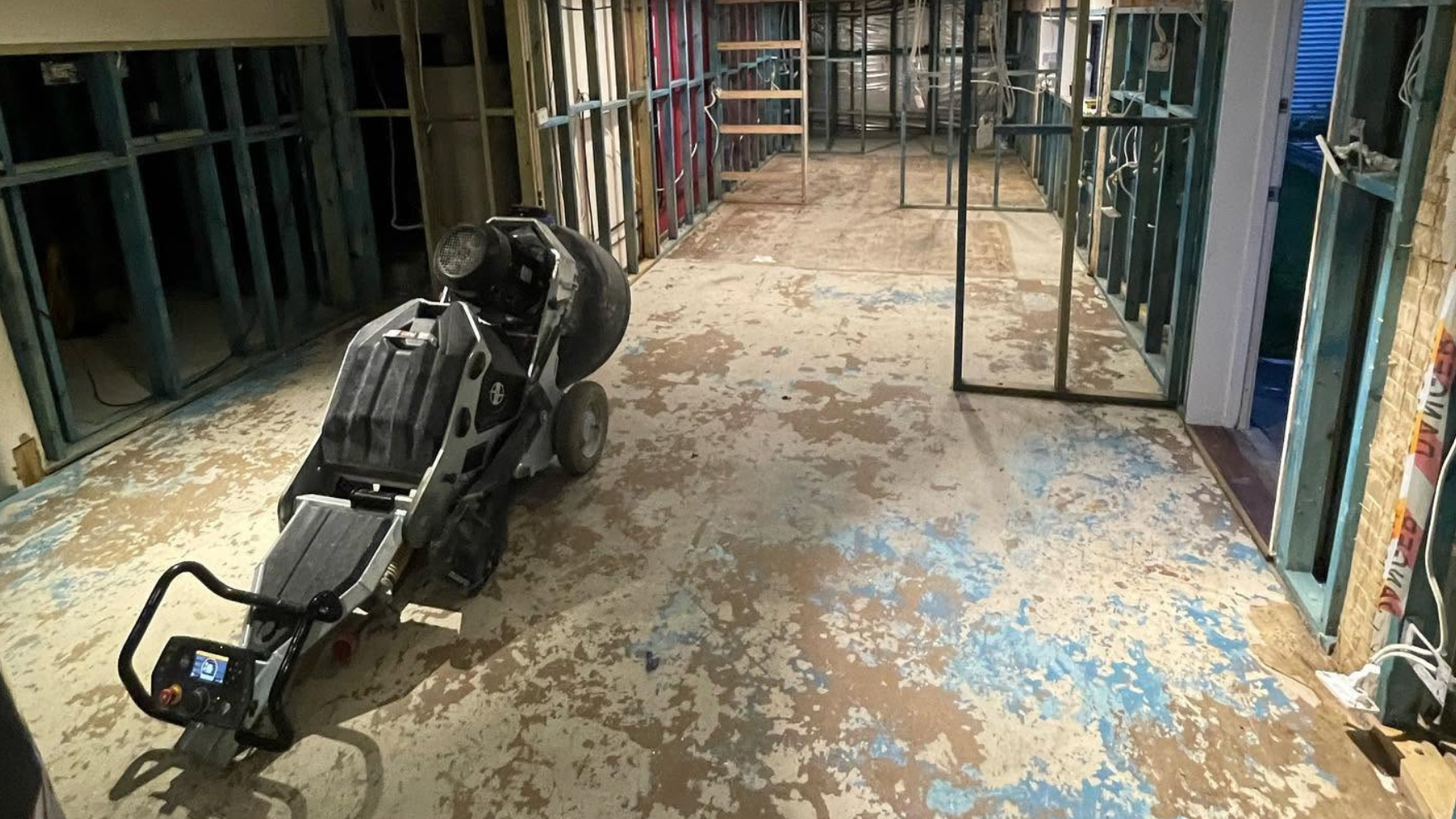
The obstacle is laitance. As concrete is poured and finished, the finest cement particles and water rise to the top and dry into a smooth, weak skin. It can look like a perfectly good surface, but it is structurally soft and it seals off the pores in the concrete below. A coating applied straight over laitance is really only bonding to that weak skin, not to the solid slab underneath.
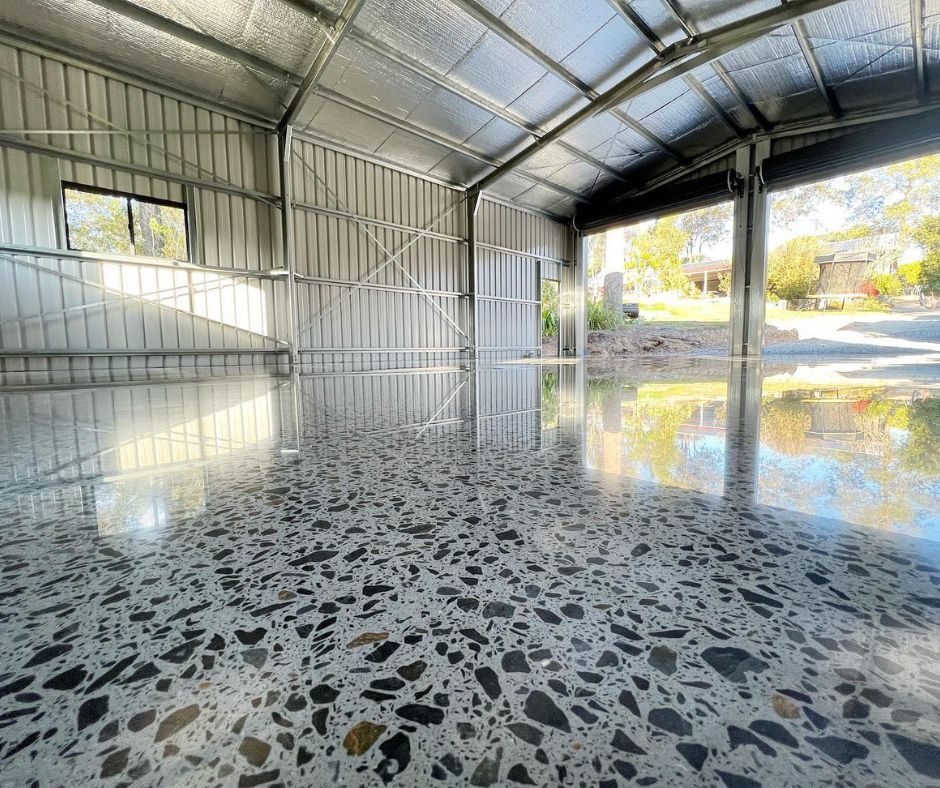
Grinding strips that layer away. It exposes the sound concrete beneath, opens the pores so the coating can penetrate, and leaves behind the consistent surface profile that proper concrete floor preparation depends on. This is the same foundation step behind everything from
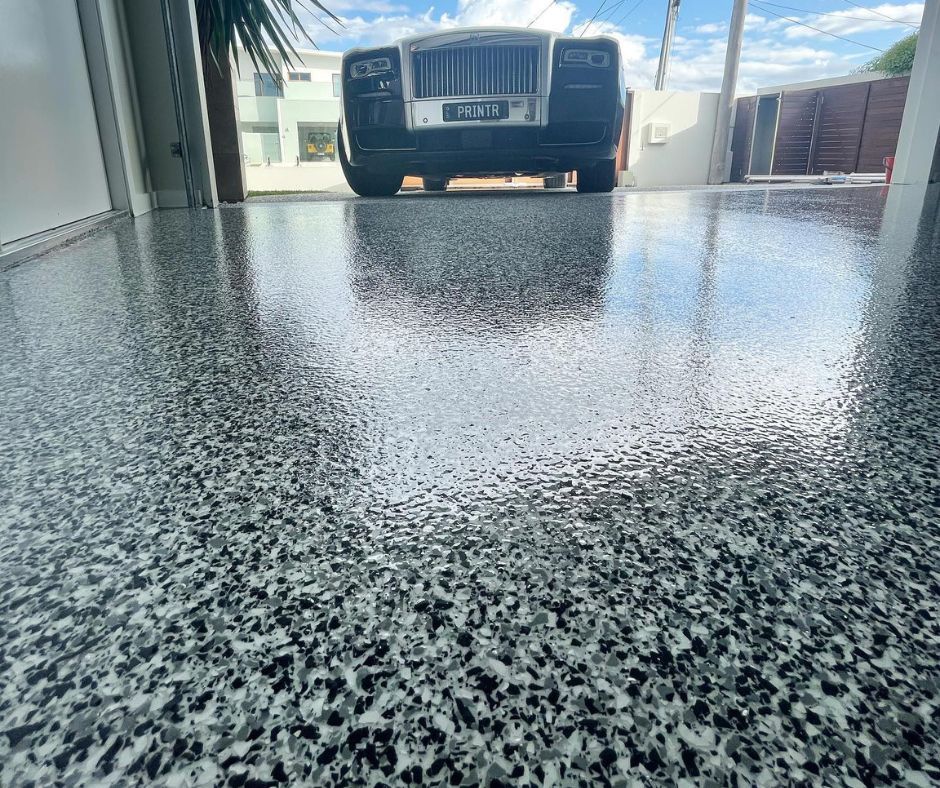
epoxy flooring options to
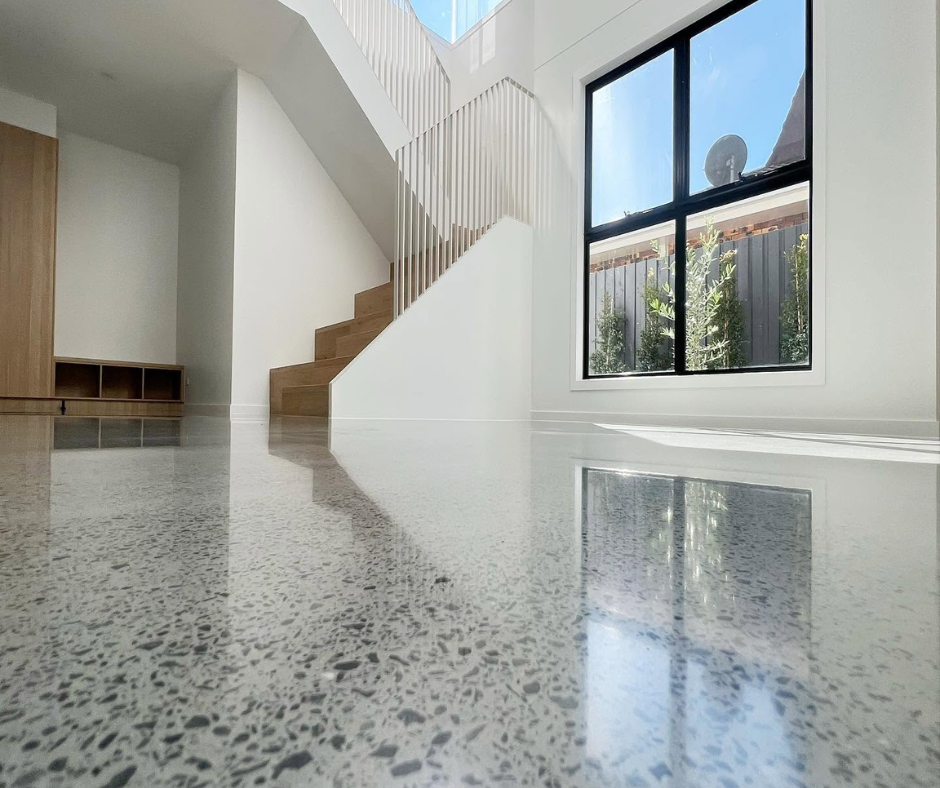
polished and
honed finishes, which is why our concrete grinding and surface preparation underpins so much of the work we do.
When to Grind a Concrete Floor
Knowing when to grind a concrete floor is mostly about reading its current condition and history. The following situations almost always call for it.
Old or previously coated floors
Any floor that has been painted, sealed, or coated in the past must be ground back before a new coating goes on. The new product needs to bond to bare concrete, not to an old finish that may already be failing. Removing the previous coating only partially is worse than not touching it at all, because the new coating inherits every weak point left behind. Age itself is not really the issue here. What matters is what has been applied to the surface over the years.
Floors with oil, grease, or chemical staining
Garage and workshop floors collect oil, grease, tyre marks, and the occasional chemical spill. These do not simply wash off, because they soak down into the porous concrete. Cleaning lifts what is on the surface, but the contamination sitting just below will still sabotage the bond. Grinding physically removes the affected layer to reach clean concrete the coating can actually hold onto.
Floors with visible damage, cracks, or uneven surfaces
Grinding does more than prepare a surface. It also levels high spots and exposes the true condition of the slab. Cracks, pitting, and crumbling patches that were hidden under a smooth top layer become obvious once grinding begins, which is exactly when they should be dealt with. In that sense, grinding is a diagnostic step as much as a preparation step, and it shows you what needs repairing before any coating is committed to.
High-traffic or industrial floors
Floors that carry vehicles, heavy foot traffic, or industrial loads put far more stress on the coating bond. The harder a floor works, the more it relies on a deep, well-prepared surface profile to keep the coating locked down. Diamond grinding creates that deeper profile, which is why skipping it on a busy commercial or industrial floor is a false economy. The coating may look fine for a while, then fail early under load.
Here is a quick reference for the most common scenarios:
| Your floor situation | Grinding needed? |
|---|---|
| Previously painted, sealed, or coated | Yes, always |
| Oil, grease, or chemical staining | Yes, to reach clean concrete |
| Visible cracks, pitting, or uneven areas | Yes, also reveals repairs needed |
| High-traffic, vehicle, or industrial use | Yes, needs a deep profile |
| Brand-new, clean, fully cured slab | Sometimes lighter prep is enough |
When Is It Necessary to Grind a Concrete Floor Surface vs When Can You Skip It
The honest answer to “When is it necessary to grind concrete floor surface?” versus when you can ease off is that the genuine exceptions are narrow. The clearest one is concrete that is too new to grind at all. Fresh concrete needs time to cure before any grinding or coating happens, and the standard industry benchmark is to wait around 28 days. Grinding a slab before it has cured can damage it and produce a poor result.
Once a slab is fully cured, a brand-new floor with no prior sealers, no contamination, and no previous coatings may need less aggressive preparation than an old, well-used one. Even in that best-case scenario, though, the floor still needs a moisture check and a surface profile assessment before anyone reaches for the coating. Lighter preparation is not the same as no preparation.
Acid etching is sometimes raised as an alternative, particularly for small DIY jobs. It uses acid to roughen the surface chemically instead of mechanically. It can work, but it produces less reliable, less consistent results than grinding, it leaves residue that has to be neutralised and rinsed thoroughly, and it is not suited to heavy-duty or commercial coatings. For a floor you want to last, grinding remains the dependable choice.
| Concrete grinding | Acid etching | |
|---|---|---|
| Reliability | High, consistent results | Variable, depends on technique |
| Surface profile | Deep, even mechanical key | Shallow, can be patchy |
| Residue risk | None | Acid residue must be neutralised |
| Best suited to | All floors, including heavy-duty | Small, light-duty DIY areas |
What Happens If You Don't Grind Before Coating
When a coating is applied over an unprepared floor, the failure usually is not immediate. It shows up weeks or months later as bubbling, flaking, or whole sheets of coating lifting away from the concrete. This is delamination, and once it starts, there is no patching your way out of it. The only real fix is to strip the failed coating entirely and start again, which means paying for the job twice.
Trapped moisture is another common culprit. Concrete naturally draws moisture up through the slab, and if the surface was never opened up and tested, that moisture has nowhere to go but into the underside of the coating, where it causes blistering and adhesion failure. Coating manufacturers generally will not honour a warranty when the failure traces back to inadequate surface preparation, so the cost of cutting that corner lands squarely on the floor owner.
What the Concrete Grinding Process Actually Involves
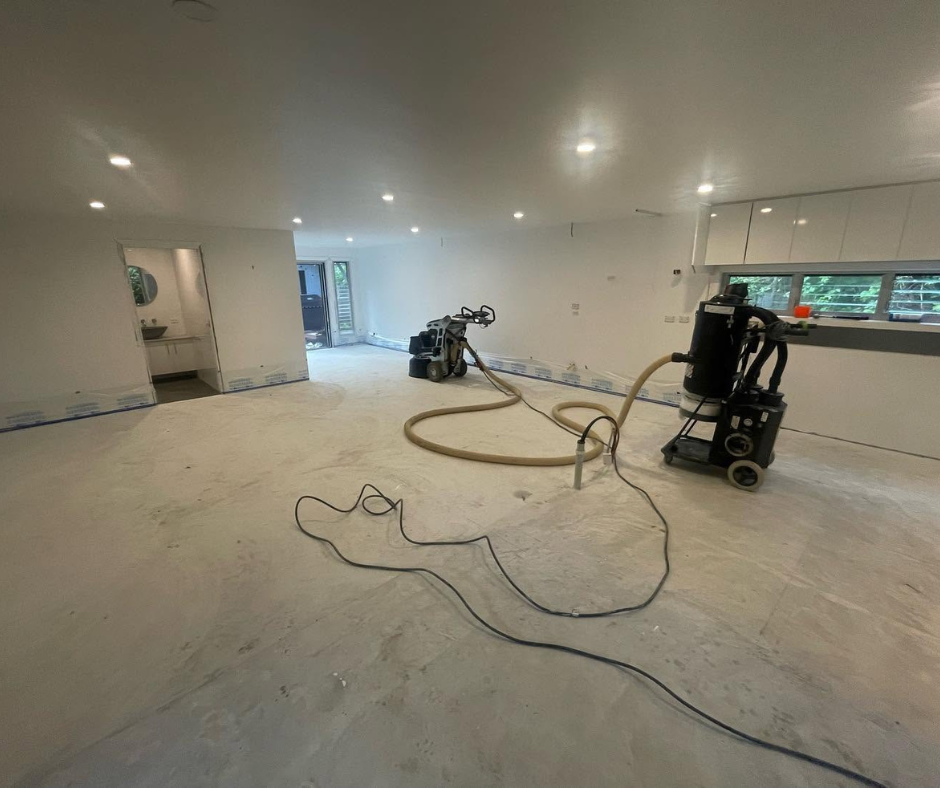
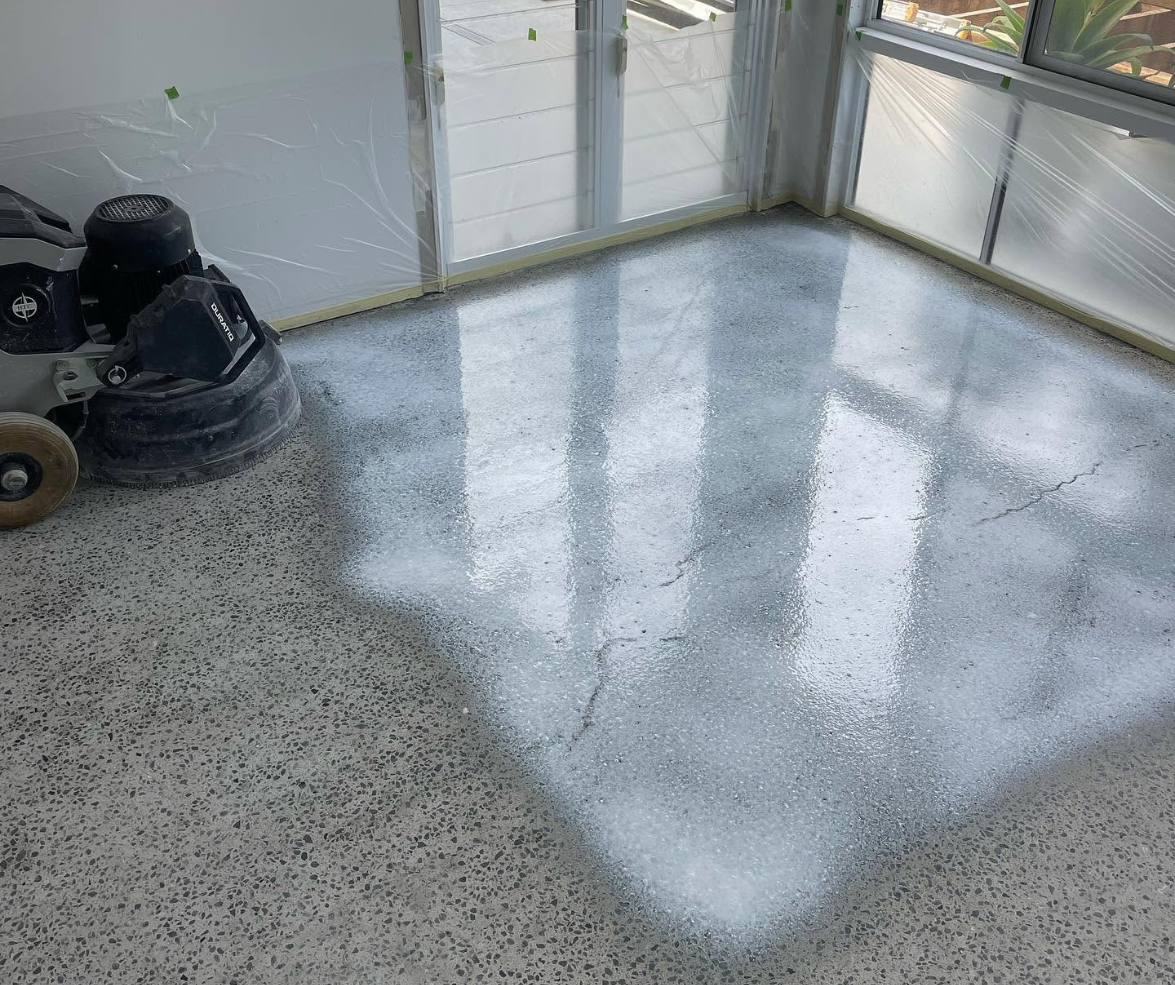
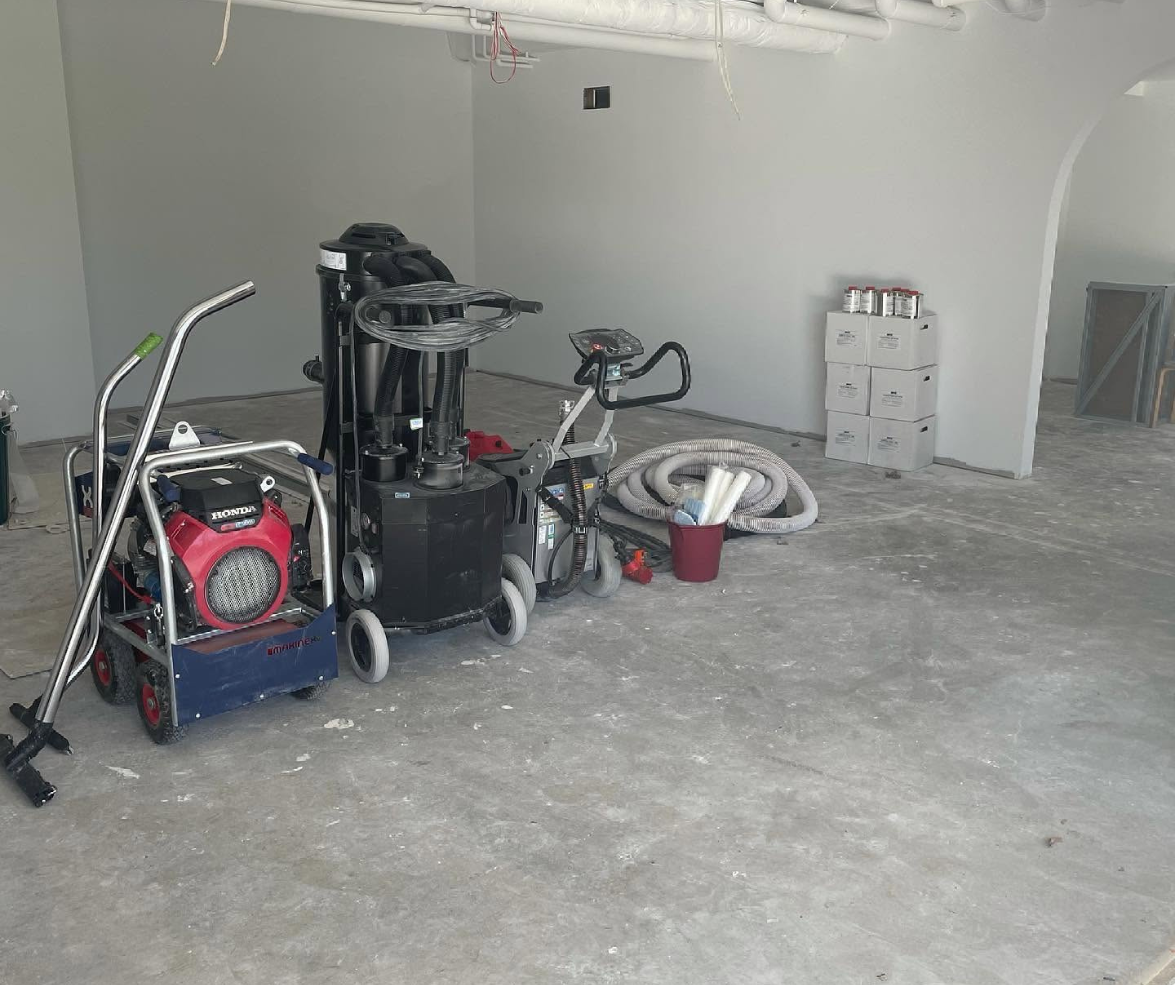
Professional grinding uses diamond grinding machines fitted with the right grit for the job. The grit and the number of passes depend on the coating being applied, since a heavy-duty epoxy needs a deeper profile than a light sealer. The machines also run dust extraction, so the work stays cleaner and safer than the dust storm most people picture.
Once the floor has been ground to the correct profile, it is vacuumed thoroughly and inspected. Any cracks, pitting, or low spots revealed during grinding are repaired, and the slab is checked for moisture before a single drop of coating goes down. This is also where professional equipment earns its keep. Rented DIY grinders rarely deliver the consistent profile that purpose-built machines do, and an uneven grind leaves weak spots where coatings start to fail. Concrete grinding and surface preparation are one of the core services we handle across the Gold Coast, Brisbane, and Northern NSW, precisely because it determines the quality of everything applied on top of it.
Conclusion
Grinding is the standard step before coating for a simple reason: it is what lets the coating bond to the concrete rather than just sit on it. Whether your specific floor needs a full grind or a lighter preparation comes down to its current condition, its history, and the coating you have chosen, but for the vast majority of floors, grinding is not the corner to cut.
If you are weighing up a new floor coating and are not sure what your slab needs, the team at Coulson's Concrete Finishes can assess the floor and recommend the right preparation before any work begins. It is the step that protects everything that comes after it.
Key Takeaways
- Grinding removes surface laitance, the weak top layer that stops coatings from bonding, and opens the concrete's pores to create the texture a coating grips onto.
- Most floors need grinding before coating, including any floor that is old, stained, previously sealed, damaged, or carrying heavy traffic.
- Brand-new concrete cannot be ground until it has fully cured, with around 28 days being the standard wait.
- Skipping grinding is the leading cause of premature coating failure, including peeling, bubbling, and delamination.
- Acid etching is an alternative for small, light-duty jobs, but does not match grinding's reliability or bond strength.
- Professional diamond grinding produces a far more consistent surface profile than hire equipment, which directly affects how long the coating lasts.
Frequently Asked Questions
Do you always have to grind concrete before applying a coating?
In the large majority of cases, yes. The main exception is a brand-new, fully cured slab with no contamination and no prior sealers, where lighter preparation can sometimes be enough. For any floor that has been used, stained, or previously coated, grinding is necessary to get a bond that lasts.
When to grind a concrete floor and when can it be skipped?
Grinding is required whenever the floor has an existing coating, oil or chemical contamination, visible damage, or is destined for a heavy-duty coating system. It can be reduced, though rarely skipped entirely, on a clean and newly cured slab. Even then, a moisture test and surface profile check still need to happen first.
How long after pouring concrete can you grind it?
The standard recommendation is to wait around 28 days for the concrete to cure fully. Grinding before that point risks damaging the slab and producing an inconsistent surface. Your installer can confirm the right timing for your specific pour and conditions.
What is surface laitance and why does it matter?
Laitance is the thin, weak layer of cement paste that rises to the top as concrete cures. It looks like a normal surface but it is soft and it seals off the pores underneath, so any coating applied over it is only bonding to a weak skin. Grinding removes it to expose the sound, porous concrete below.
Can I acid etch instead of grinding?
Acid etching is sometimes used as an alternative, especially for small DIY areas. It produces less consistent results than grinding, requires careful neutralising and rinsing to remove acid residue, and is not recommended for heavy-duty or commercial coatings. For a long-lasting result, grinding is the more reliable method.
What happens if I skip grinding and just clean the floor?
Cleaning only removes surface dirt. It leaves behind laitance, any contamination that has soaked into the concrete, and old coatings, all of which prevent proper bonding. A coating applied to a cleaned-but-unprepared floor will often peel, bubble, or delaminate, sometimes within months.
How do I know if my concrete floor needs grinding or just cleaning?
If the floor has ever been coated, sealed, or marked with oil or chemicals, grinding is almost certainly needed. For new floors or floors with an unknown history, a professional assessment including a moisture test and a surface profile check is the reliable way to confirm what preparation is required. Guessing is what leads to coating failure.
Does new concrete need to be ground before epoxy?
New concrete needs to cure before any grinding or coating happens. Once it has reached full cure, a professional will assess whether a full grind is required or whether lighter preparation will do, depending on the slab's condition and the epoxy system being used. The pros and cons of epoxy flooring are worth weighing up before committing to that path.
Is it worth hiring a concrete grinder myself instead of using a professional?
Hire equipment is available, but it rarely achieves the even, consistent profile that professional diamond grinders produce. An inconsistent grind creates weak spots where the coating begins to fail, so the saving on hire can easily turn into the cost of redoing the whole floor. For a coating you want to last, professional preparation is the safer investment. Our overview of what grinding a concrete floor involves explains the process in more detail.
How much does concrete grinding cost before a floor coating?
Cost depends on the size of the floor, its current condition, and the coating system being applied, since each affects how much preparation is needed. The most accurate way to understand the scope for your floor is to get a quote from a specialist who can inspect it in person. You can get in touch with our team for an assessment.