Polished Concrete Floor Maintenance: How to Keep Your Floors Looking New
Polished concrete has a reputation for being the floor you can install and forget about. That reputation is only half right. These floors are genuinely low maintenance, but low maintenance is not the same as no maintenance. The difference between a floor that still looks showroom-fresh in ten years and one that has gone dull and patchy comes down almost entirely to the habits you build around it.
The good news is that proper polished concrete floor maintenance is simpler than most people expect. There are no waxes to strip, no special sealants to reapply every month, and no complicated routines to learn. What it takes is consistency: a few small daily and weekly habits, plus the occasional professional touch-up to keep the finish performing the way it did on day one.
This guide walks through exactly what that looks like, from the everyday basics through to when it is time to bring in a specialist.
What Does Polished Concrete Floor Maintenance Actually Involve
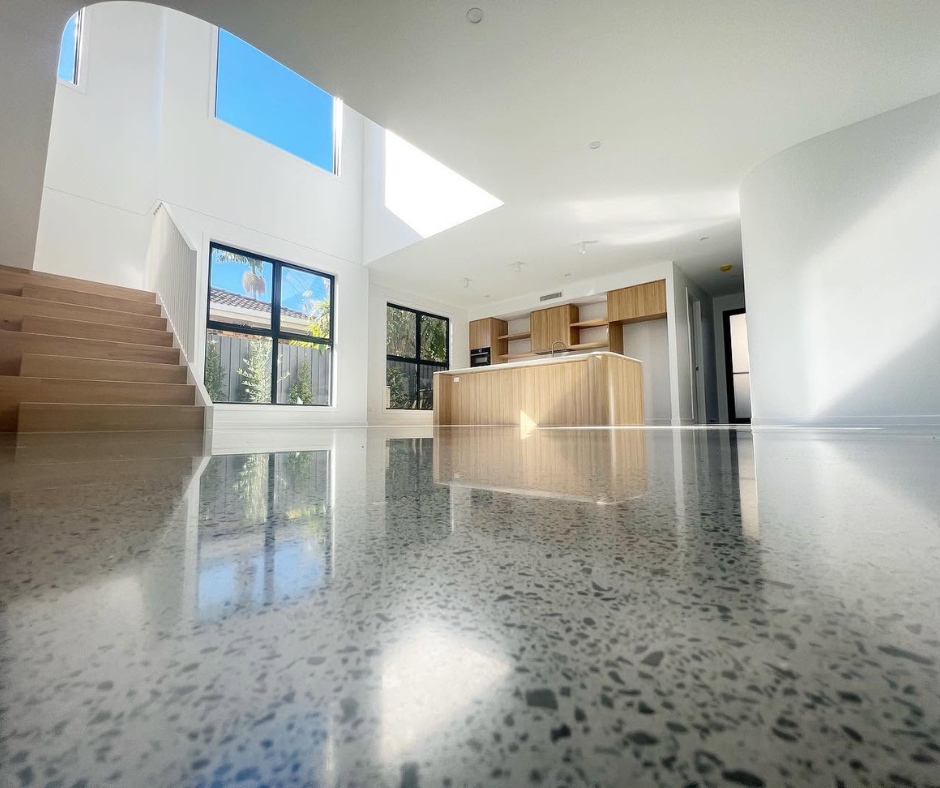
Maintaining a polished concrete floor comes down to three tiers of care: daily prevention, weekly cleaning, and periodic professional treatment. Daily care means sweeping or dry-mopping to clear away grit and wiping up spills before they settle. Weekly care means mopping with a pH-neutral cleaner. Periodic care means burnishing and resealing every few years to restore shine and protection. Get those three tiers right and the floor will hold its finish for decades.
It is the kind of routine that rewards a little knowledge upfront. Our team at Coulson's Concrete Finishes regularly sees that floors that age best are not the ones with the most expensive sealers. They are the ones whose owners understood the basics from the start.
How To Maintain Polished Concrete Floors Daily
There are only two things you need to do every day, and neither takes long. The first is dealing with grit. The second is dealing with spills.
Dirt, sand, and fine grit are the real enemies of a polished surface. They might look harmless, but underfoot, they behave like fine sandpaper, slowly grinding away at the gloss every time someone walks across the room. A daily sweep with a soft broom or dust mop lifts those particles before they do any damage. Walk-off mats at every entrance make this dramatically easier by catching the worst of it before it reaches the floor.
The second habit is fast spill response. Polished concrete is highly stain-resistant, but it is not bulletproof. Acidic liquids like wine, coffee, citrus juice, and soft drinks can etch the sealer if they sit too long, and that etching is a different problem from a simple stain because it damages the surface itself rather than just sitting on top of it. Blot spills promptly with a soft cloth rather than rubbing them, and the floor will shrug them off. Felt protectors under furniture legs round out the daily defence, sparing the surface from scratches when chairs and tables move.
The Weekly Cleaning Routine for Polished Concrete
What to Use
Once a week, give the floor a damp mop. Keep the routine to a few simple essentials:
- Warm water and a pH-neutral cleaner made for polished or sealed concrete. Anything harsher works against the finish.
- A microfibre mop, not a traditional string mop. Microfibre lifts dirt rather than pushing dirty water around, and it dries the surface faster, which matters on a floor where standing water is best avoided.
- An auto-scrubber for larger commercial spaces. Fit it with white or soft beige pads on the lowest pressure setting to do the same job at scale.
- Work in sections and never let the cleaning solution dry on the surface, as that can leave a dull film behind.
What Not to Use
This is the part most people get wrong, and it is worth committing to memory. Caring for polished concrete floors is as much about what you keep away from them as what you clean them with. The following all cause damage over time:
- Bleach-based detergents break down the sealer that protects the surface.
- Ammonia and vinegar are acidic and will gradually etch the finish.
- Steam mops force heat into the surface, degrading the sealer and the polish.
- Abrasive pads and scouring cloths scratch and dull the gloss.
- Rubber-backed mats left in one spot long-term can leave permanent marks.
- Standard vacuum cleaners with hard plastic wheels or heads can scratch a high-gloss surface. If you vacuum, use a soft microfibre attachment with no hard contact points.
Periodic Maintenance: When and How to Refresh Your Floors
Daily and weekly care keeps a floor clean. Periodic care keeps it performing. Two tasks fall into this tier, and both are best left to professionals.
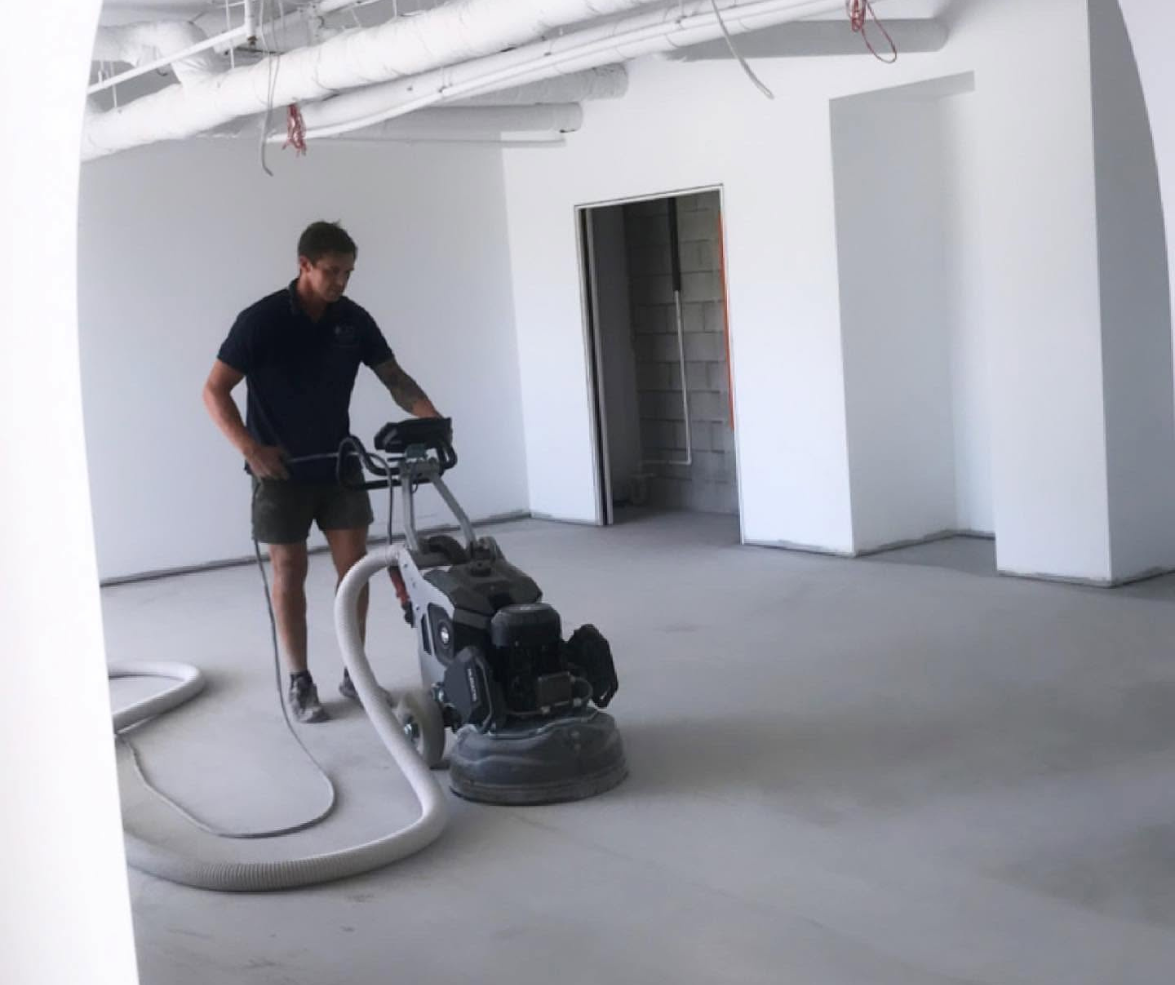
The first is burnishing. Over time, even a well-kept floor can lose a little of its original lustre in high-traffic zones. High-speed burnishing with diamond-impregnated or specialised buffing pads restores that shine without the cost or disruption of a full reseal. Think of it as the bridge between routine cleaning and a complete refresh.
The second is resealing. This is the step most homeowners underestimate. A quality concrete sealer does the quiet work of repelling stains and protecting the surface, but it does not last forever. How often you need to reseal depends almost entirely on how much traffic the floor sees:
| Traffic level | Example setting | Reseal frequency |
|---|---|---|
| Light residential | Spare room, study | Every 4-5 years |
| Regular residential | Living area, kitchen | Every 2-3 years |
| Light commercial | Small office, cafe | Every 1-2 years |
| Heavy commercial | Retail, warehouse | Annually or as needed |
When the gloss starts to fade despite regular cleaning, that is usually the floor telling you a reseal or burnish is due. A professional assessment takes the guesswork out of timing it. Our concrete grinding and surface prep service covers the heavier restoration work when a floor needs more than a refresh.
Residential vs Commercial Polished Concrete Maintenance: Key Differences
A polished floor in a quiet family home and one in a busy cafe are the same product facing very different lives, and their maintenance reflects that.
Residential floors are the easier of the two. Foot traffic is lighter, spills are less frequent, and a simple mop and bucket handle the weekly clean. Periodic treatments come around less often, and the stakes of a missed clean are low. A scratch in a home floor is a cosmetic annoyance, nothing more.
Commercial floors are a different story. High foot traffic, frequent spills, and the constant movement of trolleys, chairs, and equipment all accelerate wear. These floors usually need auto-scrubbers for efficient cleaning, more frequent burnishing, and a closer eye on the sealer. The stakes are higher, too. A neglected commercial floor does not just look tired. As the sealer wears thin, the surface can become a slip risk, which turns a maintenance issue into a safety one.
Signs Your Polished Concrete Floor Needs Professional Attention
Most polished concrete care is something you can handle yourself. Knowing when it has moved beyond that is just as important. Keep an eye out for these signs:
- Gloss loss that cleaning will not fix. If the floor stays dull after a proper clean and burnish, the finish itself needs attention.
- Visible scratches or etching in the surface. Not surface dirt, but marks you can feel in the concrete itself.
- Patchy or uneven finish developing in the busiest walkways.
- Sealer peeling, flaking, or lifting in any area.
- Persistent staining that routine cleaning simply will not lift.
None of these means you have done anything wrong. Every floor experiences wear, and these are the normal signals that it is time for a professional refresh rather than another round of mopping. When they appear, an assessment from a specialist like Coulson's Concrete Finishes is the most cost-effective next step, because catching wear early is always cheaper than waiting until the floor needs a full repolish.
Final Thoughts on Caring for Polished Concrete Floors
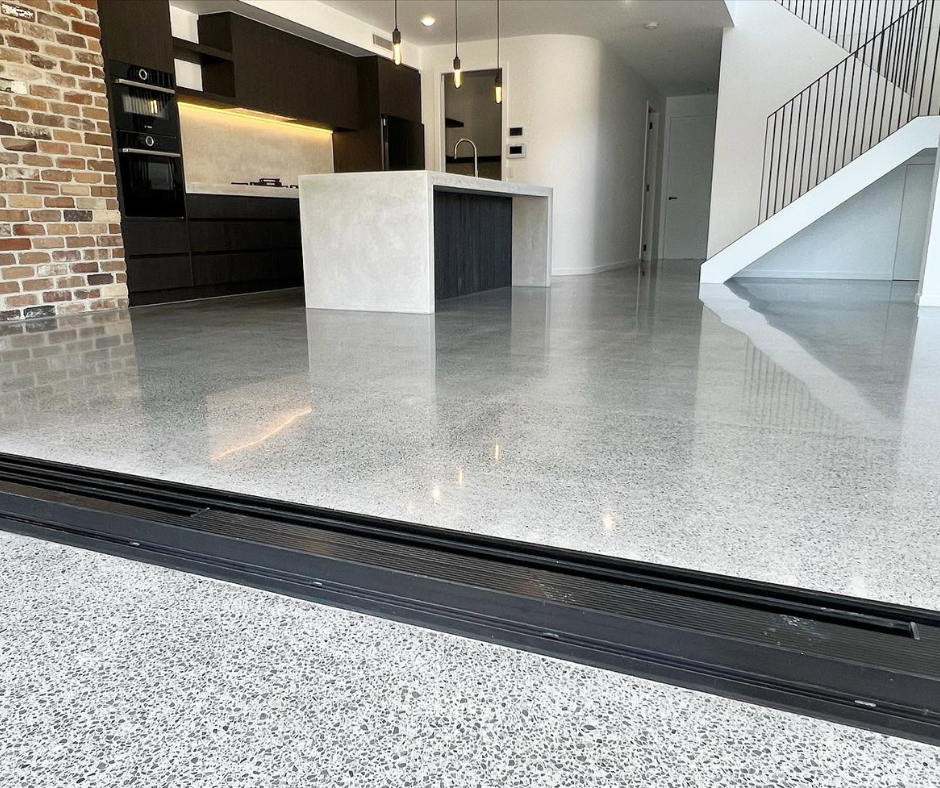
For all the talk of routines and resealing, learning how to maintain polished concrete floors really does come down to a handful of consistent habits. Sweep daily, mop weekly with the right products, deal with spills the moment they happen, and bring in a professional for periodic burnishing and resealing. Do that, and the floor will reward you with years of the same clean, reflective finish you fell for in the first place.
If your floors are due for a refresh, or you would simply like an expert eye over how they are holding up, Coulson's Concrete Finishes works with homeowners and businesses right across the Gold Coast, Brisbane, and Northern NSW. Feel free to
get in touch whenever you are ready.
Key Takeaways
- Sweep or dry-mop daily to clear abrasive grit before it dulls the surface.
- Mop weekly with warm water and a cleaner made for polished or sealed concrete, using a microfibre mop only.
- Wipe up spills immediately, especially acidic liquids like wine, coffee, and soft drink, which can etch the sealer.
- Never use bleach, ammonia, vinegar, steam mops, or abrasive pads, as they damage both the sealer and the finish.
- Reseal based on traffic: residential floors roughly every 2-5 years, commercial floors more often.
- When gloss loss, etching, or sealer damage appears, call a professional rather than attempting a DIY repair.
Frequently Asked Questions
Does polished concrete need maintenance?
Yes, though far less than most flooring types. Daily sweeping, weekly mopping, and periodic professional resealing are all that most floors require. The maintenance is light, but skipping it entirely will eventually dull the finish and shorten the floor's life.
How often should polished concrete floors be resealed?
It depends on how much traffic the floor sees. Light residential floors may only need resealing every four to five years, while busy household areas sit closer to every two to three years. High-traffic commercial floors can need resealing annually or more often. A professional can assess wear and recommend the right timing.
What is the best cleaner for polished concrete floors?
A gentle, non-acidic cleaner formulated for polished or sealed concrete is the safest and most effective choice. Avoid anything acidic, alkaline, or bleach-based, as these strip and break down the sealer over time. Warm water with a neutral cleaner and a microfibre mop covers the vast majority of routine cleaning.
Can you mop polished concrete floors?
Yes, with the right tools. Use a microfibre mop with clean water and a pH-neutral solution, and avoid letting the water pool or dry on the surface. Never use a steam mop, as the heat damages the sealer. For large commercial areas, a low-pressure auto-scrubber with white or soft beige pads is the better option.
What should you not use on polished concrete floors?
Avoid bleach, ammonia, vinegar, citrus-based cleaners, abrasive pads, steam mops, and rubber-backed mats. Each of these can etch, scratch, or break down the surface finish and the sealer beneath it. Sticking to neutral pH products and soft, non-abrasive tools keeps the floor in good condition.
How do you restore shine to a polished concrete floor?
For mild dullness, high-speed burnishing with diamond-impregnated pads can bring back the gloss without a full refinish. For a more significant loss of shine, a professional repolish or reseal is usually required. If regular cleaning no longer restores the look you want, that is the sign it is time for professional treatment.
Can you use a vacuum cleaner on polished concrete?
Not as a routine tool. Standard vacuum cleaners with hard plastic castor wheels or heads can scratch a high-gloss polished surface. If you do vacuum, use a soft microfibre attachment with no hard contact points, and favour a dry mop for everyday grit removal instead.
How long do polished concrete floors last?
A properly installed and maintained polished concrete floor can last for decades, and in commercial settings often far longer. Lifespan is tied directly to maintenance. Floors that are cleaned consistently and resealed on schedule comfortably outlast other flooring options.
Is polished concrete slippery when wet?
It can be, particularly at higher gloss levels. Walk-off mats at entrances and prompt spill clean-up reduce the risk considerably. In commercial settings or wet-prone areas, anti-slip treatments are worth discussing with your installer to keep the surface safe without sacrificing the finish.
When should I call a professional for my polished concrete floor?
Call a professional when you notice gloss loss that cleaning cannot fix, visible etching or deep scratches, sealer peeling or flaking, or staining that will not lift. Early intervention is always more cost-effective than waiting until the floor needs a complete reseal or repolish. A specialist can assess the surface and recommend whether a burnish, reseal, or fuller restoration is the right call.