Garage Floor Surface Options: Which One Actually Suits Your Garage?
Garages on the Gold Coast don’t live an easy life. Hot tyres roll in after a highway run. Summer storms blow rain under the door. Sand gets tracked in from the beach. Tools, jacks, bikes, bins, pool chemicals and oil drips, everything seems to land on the slab eventually.
That’s why the wrong surface “looks fine” for a few months, then starts to peel, stain, dust, or feel permanently grimy. Once the coating fails, it’s rarely a quick patch job, you’re often looking at grinding it back and starting again.
In this guide, we’ll compare the most common garage floor surface options side-by-side, with clear shortcuts depending on how you use the space. You’ll learn what a genuine long-term finish is, what covering only hides the problem and the slab checks that save you from spending twice.
The Best Garage Floor Surface Options by Use Case
Not sure where to start? Here’s a quick, practical snapshot of the best garage floor options based on how you use the space.
| Best For | Recommended Option | Why It Works |
|---|---|---|
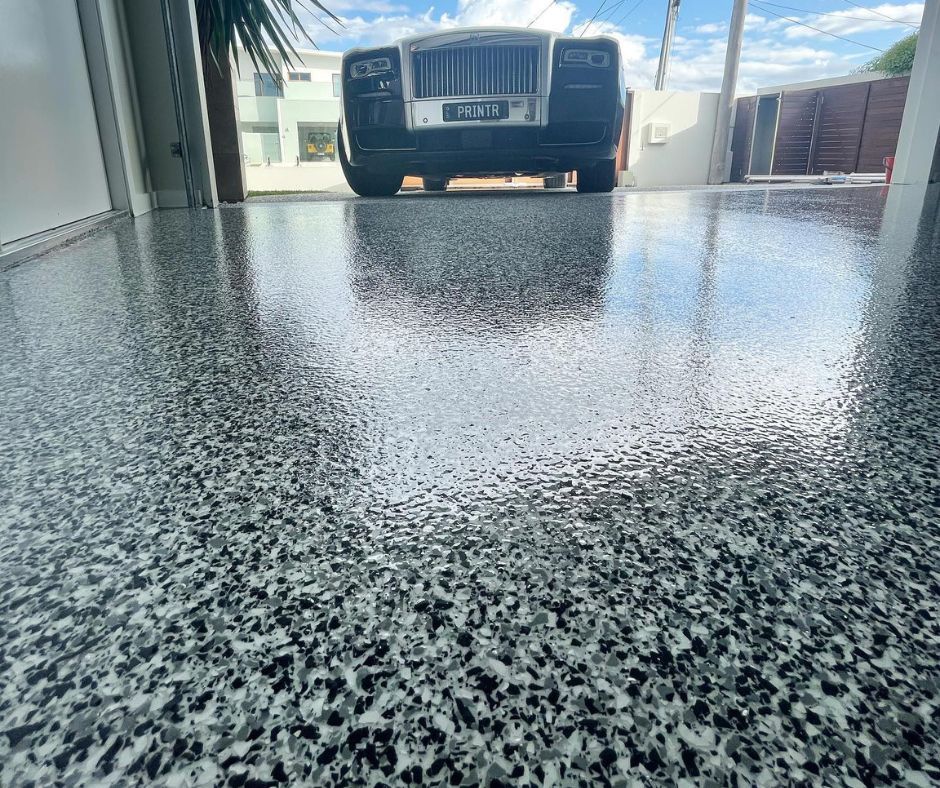
| Best All-rounder For Most Garages | Epoxy Flake System | Durable, easy to clean, and the flake pattern hides tyre marks, dust and everyday scuffs better than a flat colour. |
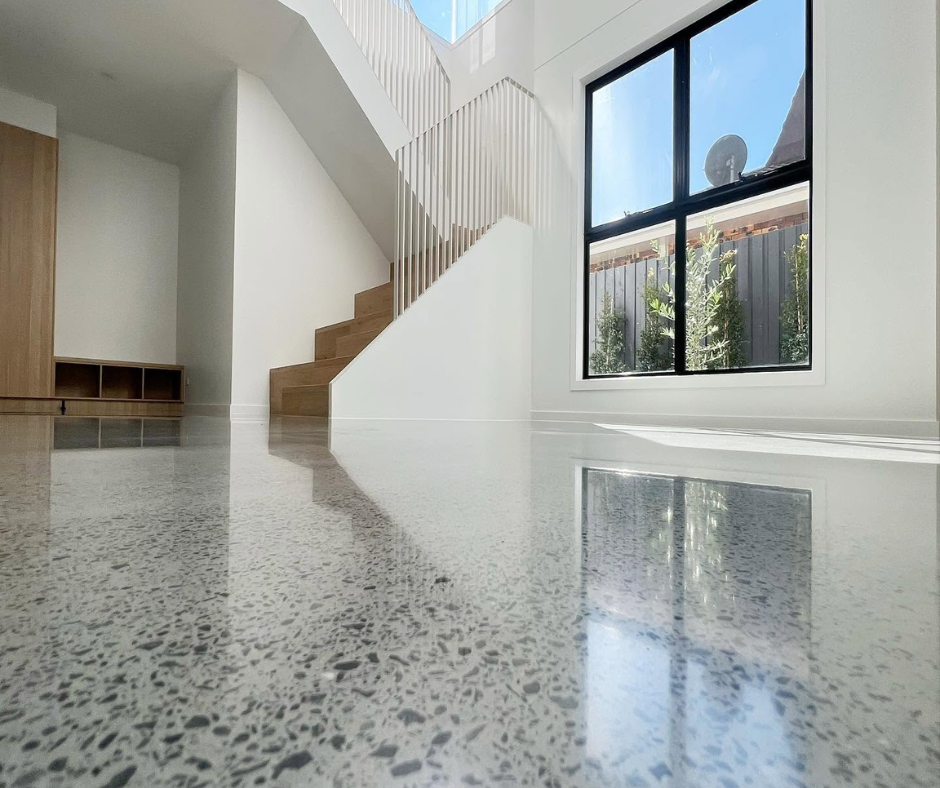
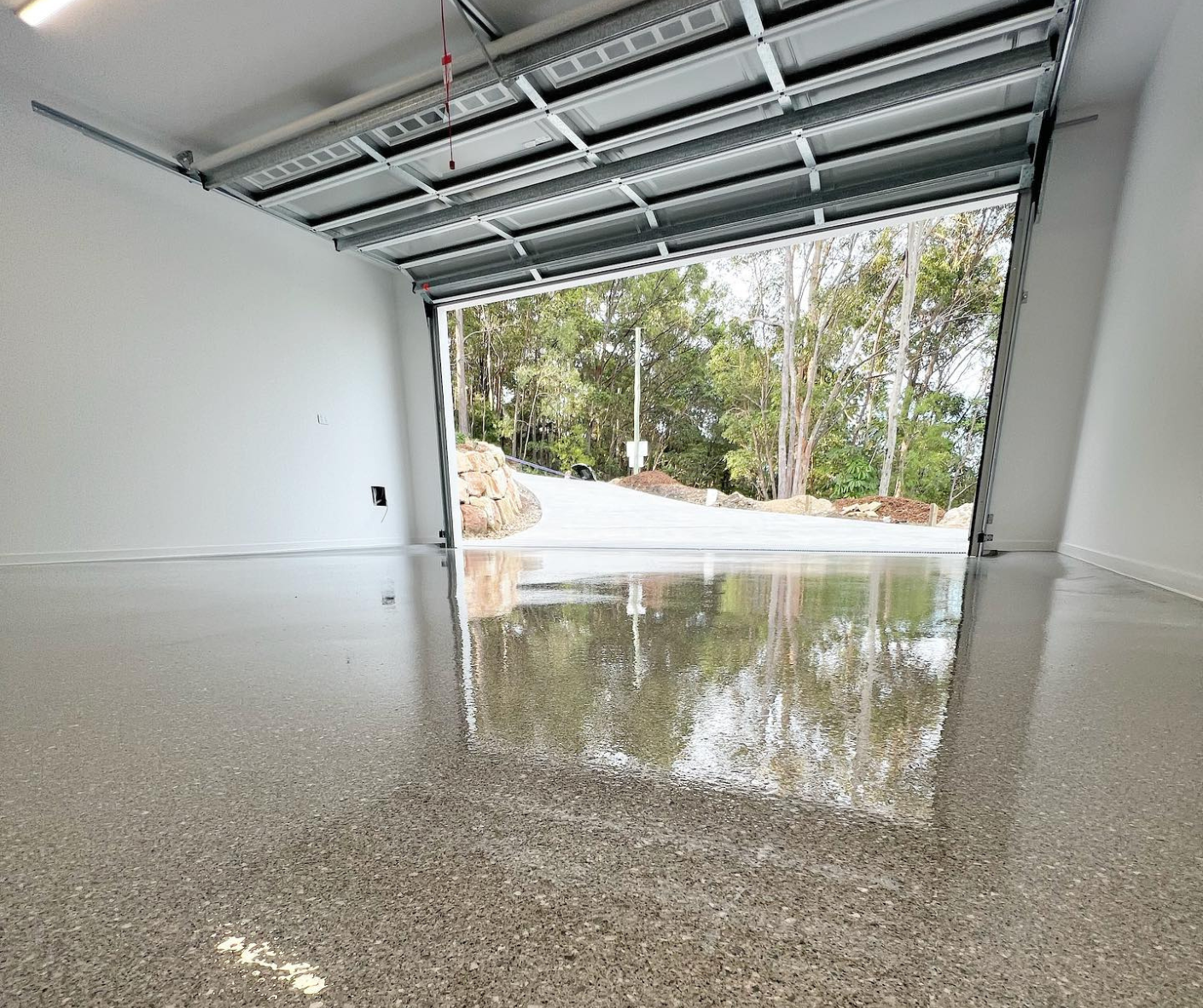
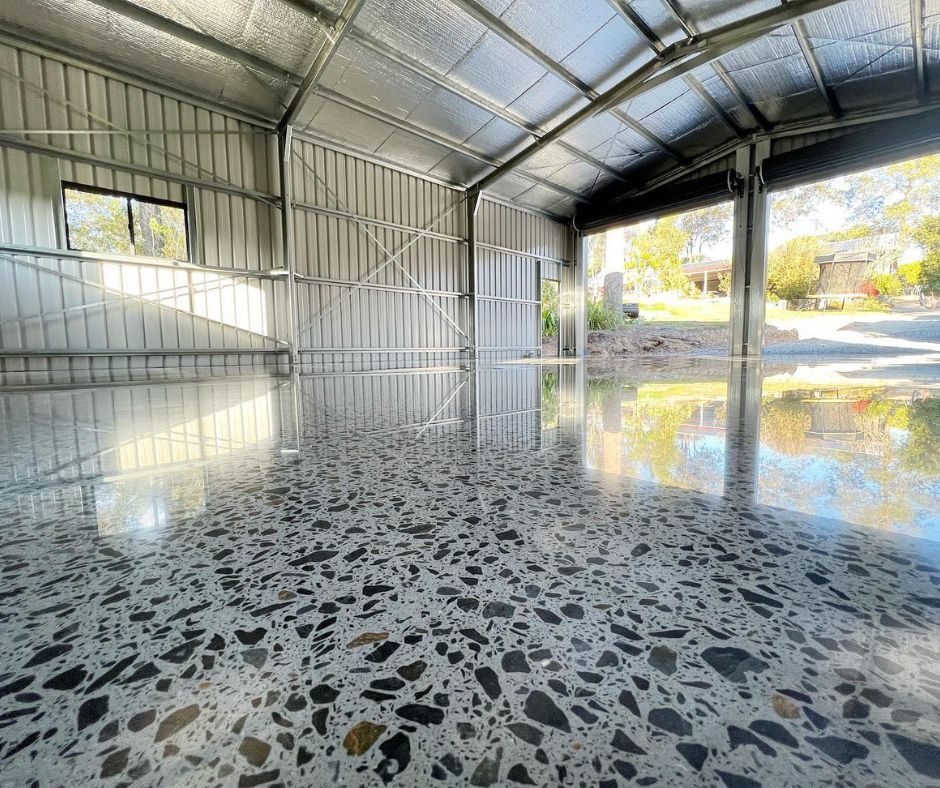
| Best Long-life, Low-maintenance | Polished Concrete | Can outlast many coatings and stays looking sharp with basic cleaning. |
| Best For Outdoor-adjacent/Slip-conscious Areas | Honed Concrete | Practical satin/matte finish with grip levels you can tailor for wet floors. |
| Best DIY/Temporary | Rubber Tiles or Mats | Comfortable for gyms/workbenches and quick to change, but won't fix a dusty, cracked or moisture-affected slab. |
| Best for Multipurpose Garages | Garage-suitable carpet or vinyl (light vehicle use only) | Makes the space feel more "room-like" for office/kids' gear/storage, but not ideal for daily parking or heavy workshop traffic. |
Coatings vs Coverings: Knowing the Different Flooring Garage Options Before You Pick
Before you compare colours and price tags, get clear on one thing: are you choosing a finish that bonds to the concrete, or something that simply sits on top?
A lot of disappointment comes from expecting a “covering” to perform like a “coating”, especially in coastal areas where moisture and grit are constant companions.
What’s a Coating?
A coating is applied to the slab and bonds with it. These include epoxy systems, sealers, and mechanically refined finishes like honed or polished concrete.
Coatings can:
- Improve cleanability
- Add real chemical resistance
- Reduce staining and make the space look intentionally finished
What’s a Covering?
A covering sits on top of the concrete, like tiles, mats, roll-out vinyl or carpets.
Coverings can:
- Be fast and DIY-friendly
- Add comfort underfoot
- Hide cosmetic stains quickly
But they can also:
- Trap grit that grinds away the underneath surface
- Hide moisture problems until they become bigger problems
- Mask slab defects that still need repair (cracks, spalling, weak/powdery concrete)
How to Choose: 7 Criteria That Matter
Here’s a simple checklist to use when comparing flooring garage options:
Durability and Impact Resistance
If you drop tools, roll a trolley, use jack stands or run a home gym, you need a surface that won’t chip, gouge or powder.
Hot-tyre Pickup and Peeling Risk
This is a classic failure mode with cheap paints and poorly prepped coatings. Hot tyres soften the surface, then lift it as you back out.
Chemical and Stain Resistance
Oil, brake fluid, degreasers, pool chemicals and fertiliser, garages cop them all. A good system means easy wipe-ups, not stains that stick around forever.
Slip Resistance for Wet Surfaces
Summer downpours and beach days mean wet feet and puddles. You want a grip without creating a surface that’s impossible to mop clean.
UV Stability
The Gold Coast sun is no joke and the front strip of the garage gets hit the hardest. Some coatings can yellow or chalk if the topcoat strategy isn’t right.
Maintenance Effort
If you’re a landlord or property manager, the best choice is often the one tenants can keep clean with a basic sweep and mop, without the need for special products or equipment.
Total Cost of Ownership
Not just the install price. Factor in repairs, recoats, downtime and the “pain cost” of living with a surface that constantly looks dirty.
Before You Change Anything: Check the Slab
Red Flags to Address First:
- Moisture issues (damp patches, bubbling coatings, musty smell, persistent dark areas)
- Powdery concrete/dusting (surface rubs off onto your hand)
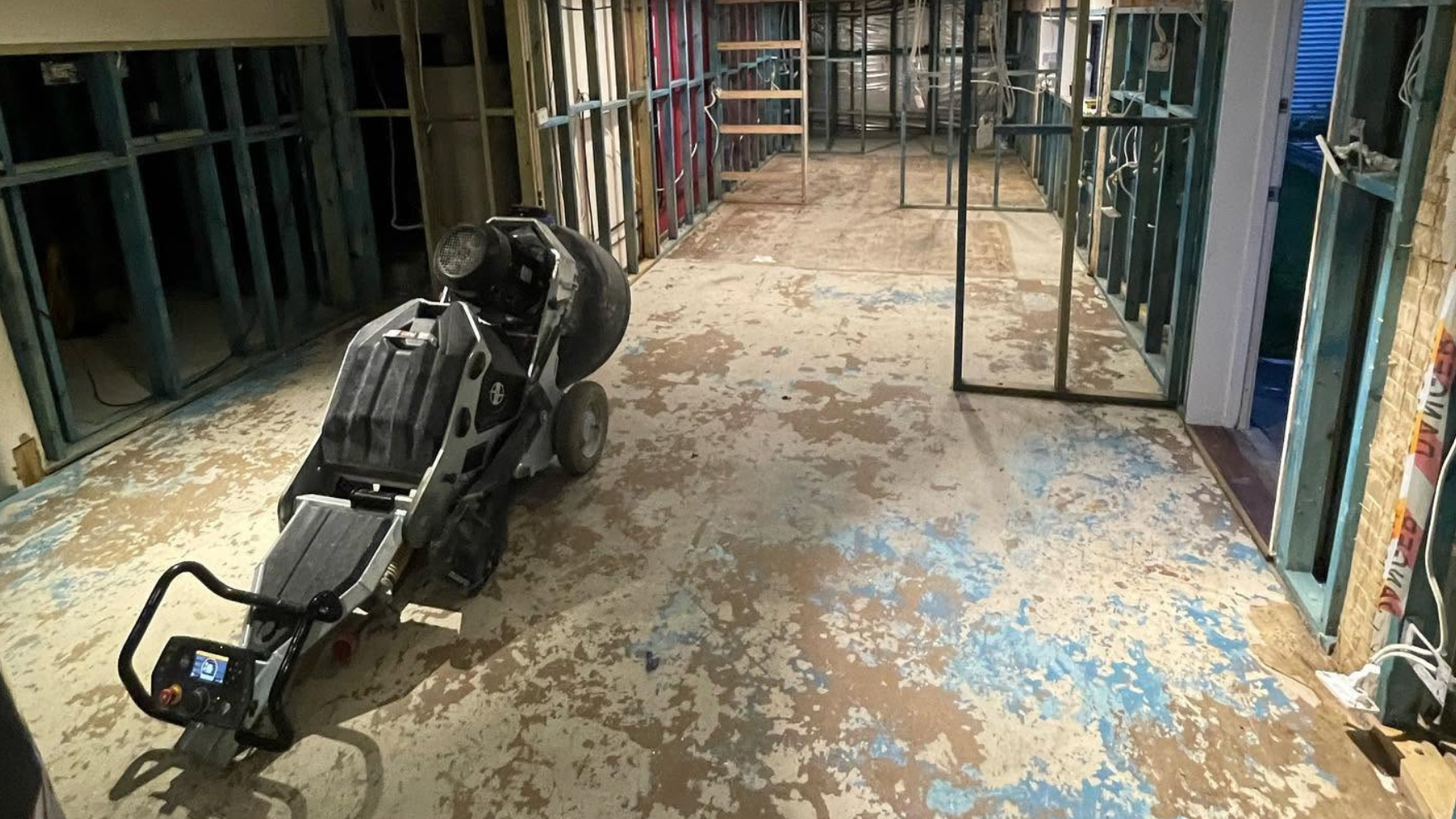
- Existing peeling coatings or old paint (anything loose must be removed properly)
- Significant cracks, spalling or pitted areas
- Uneven sections (trip hazards, pooling water, bad drainage lines)
Why Professional Surface Prep Changes Outcomes
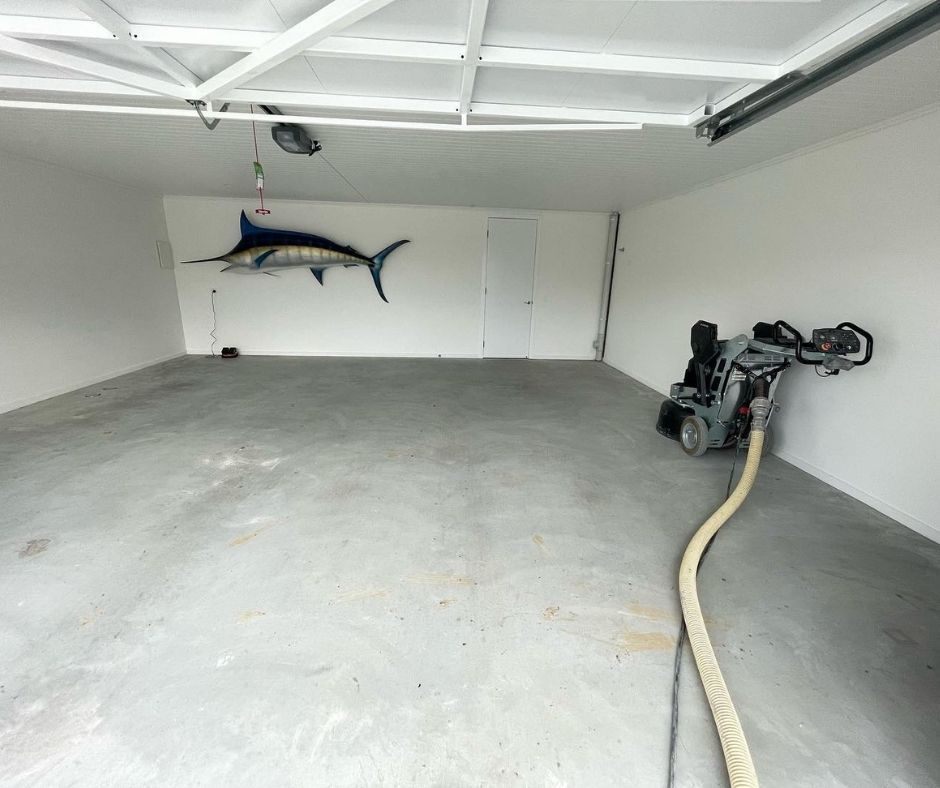
The difference between a floor that lasts and a floor that fails often comes down to preparation:
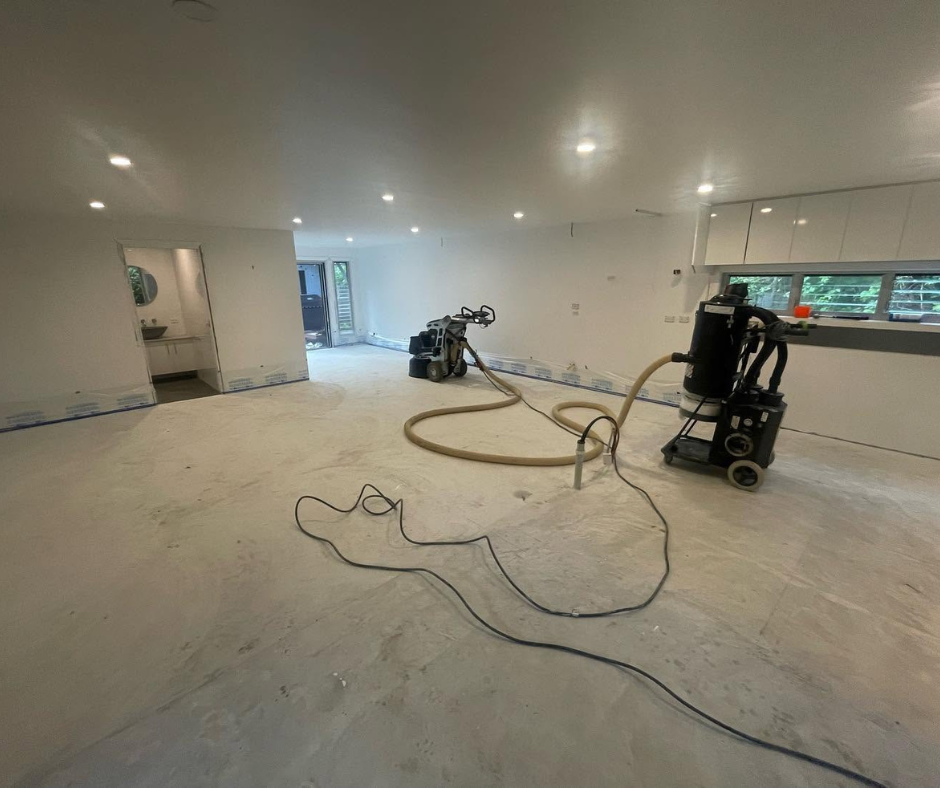
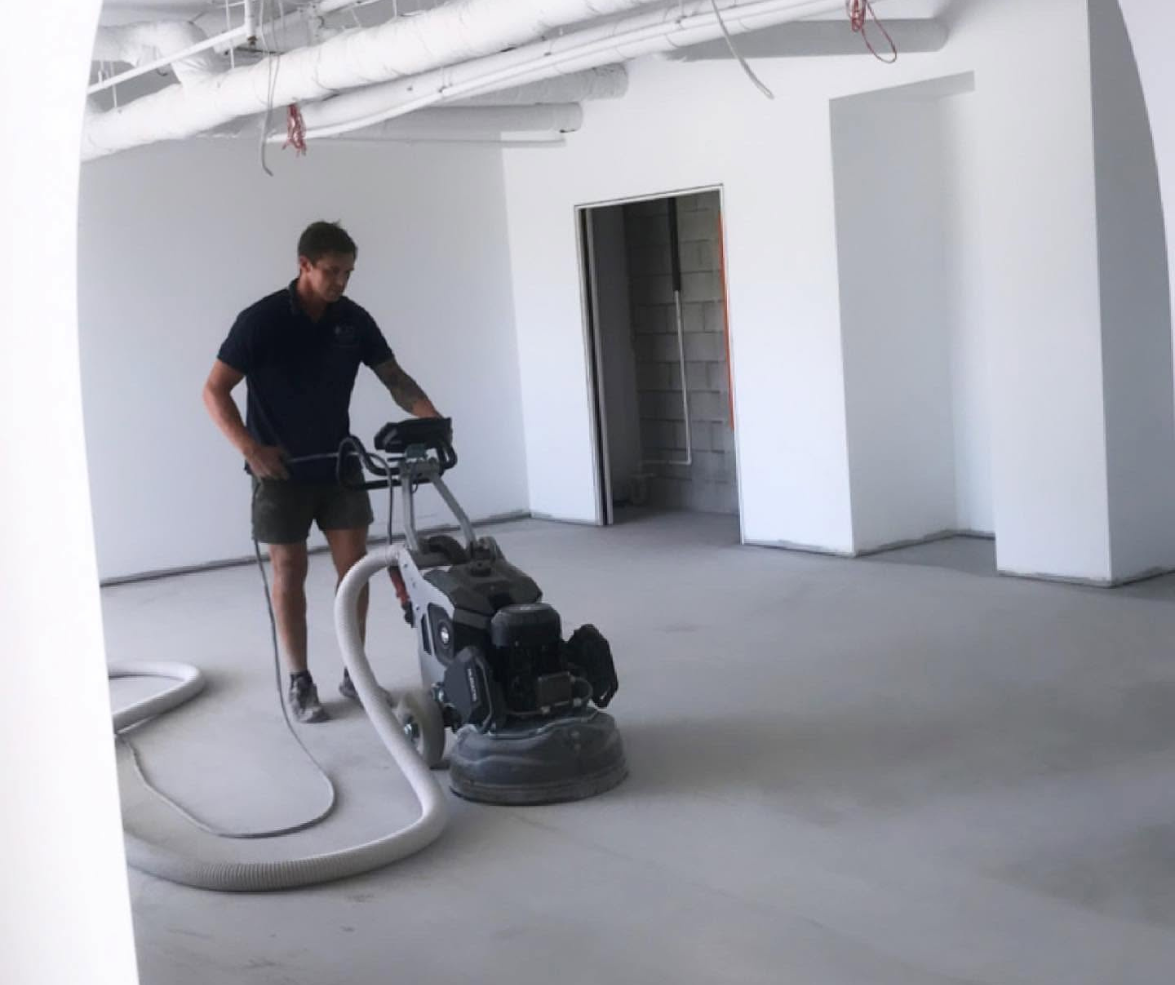
- Grinding/levelling creates the right profile for adhesion (instead of hoping acid etching or “extra primer” will do the job).
- Crack repair and patching prevent weak points and improve the final look.
- Removing contaminants (oil, silicone, old adhesives) stops fisheyes, delamination and soft spots.
Garage Floor Surface Options Explained
Below are the most common systems that most homeowners, landlords and property managers consider.
| Option | What It Is | Pros | Cons | Best For |
|---|---|---|---|---|
| Sealed Concrete | Sealer applied to bare concrete to reduce dusting, improve stain resistance and simplify cleaning | Budget-friendly upgrade; Tidier look with less dust; Easy routine cleaning | May need re-sealing; Less protective & decorative than full systems; Won't hide many blemishes | Landlords wanting a clean, practical baseline between tenancies |
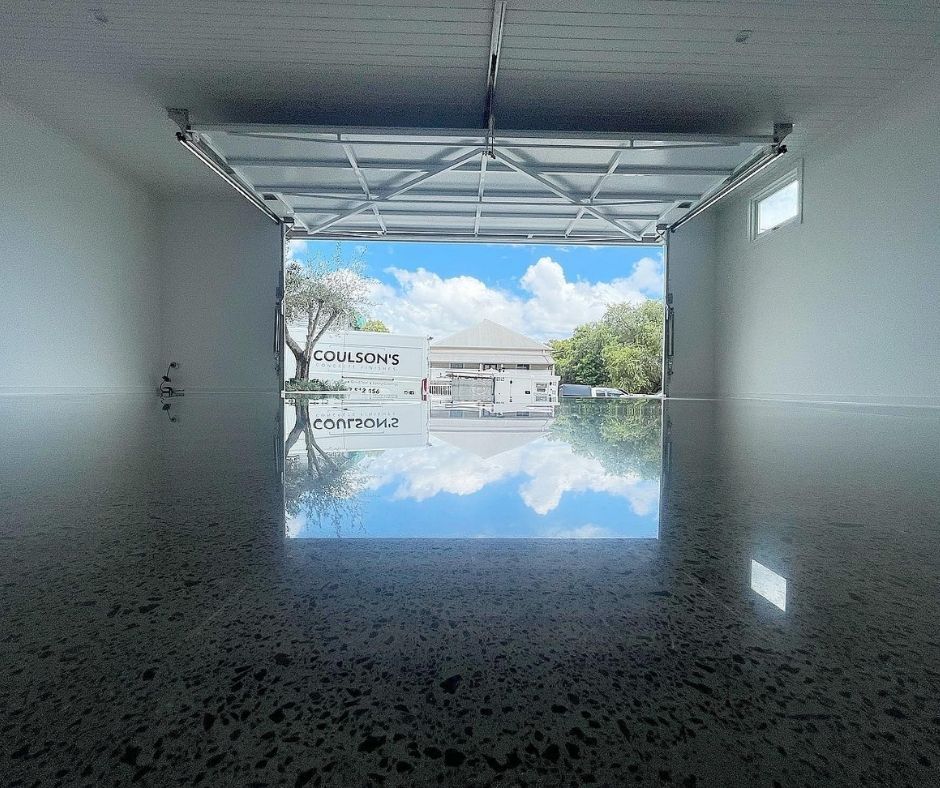
| Polished Concrete | Mechanically refined concrete using diamond tooling to densify and polish for durability and aesthetics | Long lifespan; Low maintenance; Brightens dark garages; Premium look without a thick coating | Slab must suit polishing; Higher upfront cost; Cracks/repairs may remain visible | Owner/occupiers wanting long-term value and a finish that ages well |
| Honed Concrete | Matte/satin refined finish that's then sealed, middle ground between raw slab and high gloss | Modern, practical look; Grip can be tailored; Great indoor/outdoor flow | Needs quality prep + correct sealer; Slab character still shows | Multipurpose garages (workshop/storage) wanting clean without high-gloss shine |
| Epoxy Flooring (flake systems) | Coating system with prep, base coat, decorative flakes and protective topcoats | Durable and easy to clean; Flakes hide dust/tyre marks/scuffs; "Wipe-and-go" for busy spaces | Quality varies; DIY/low-prep often fails; Needs the right topcoat for UV-exposed areas | Busy family garages, workshops and rentals needing a hard-wearing finish |
Coverings (Tiles, Rolls, Mats)
Coverings can be a smart choice when you need comfort, speed or reversibility. They’re also popular for renters or homeowners who want a quick cosmetic option.
| Covering Option | Pros | Cons | Best For |
|---|---|---|---|
| Interlocking Garage Tiles | DIY-friendly and fast; Replace single tiles; Helps disguise minor stains/cracks | Can trap grit; Moisture control matters in humidity; Not for crumbling slabs | Quick turnaround upgrade on a mostly stable slab |
| Rubber Tiles or Mats | Comfortable for gyms/standing work; Grippy feel; Easy install | Can shift/creep; Edges may curl with heat; Moisture/debris can build underneath | Gym zones, kids' scooter areas or comfort around a workbench |
| Vinyl Rolls | Neat and comfortable; Suits light-duty use; Easy to clean | Not great for daily heavy parking; Can puncture/tear in workshops | Storage-first garages with occasional vehicle use |
| Porcelain Tiles/Stone | High-end look; Porcelain is moisture-resistant and easy to clean | Higher cost and complex install; Tools can crack tiles; Grout upkeep | Design-led garages with light vehicle use and a tiled appeal |
| Garage-suitable Carpet | Warm, “extra-room” feel; Quieter and more comfortable | Not for oils/chemicals; Not for heavy daily parking; Can hold grit | Garages used more like a spare room than a working garage |
Finish Options for Garage Floor to Avoid
Some choices are fine as a stopgap. The issue is when they’re sold as a “long-term solution” for a hard-working garage.
Basic Floor Paint
It’s affordable and it looks good, until tyres, heat, and moisture do their thing. Chipping and peeling are common, especially without proper prep.
Thin Decorative Stains
Stains can look great, but they’re not always protective enough for daily parking, tool drops and chemical spills.
Coverings Used to “Hide” Moisture or Failing Concrete
If the slab is actively failing, covering it often delays the fix and makes the eventual repair more expensive.
Recommended Picks for Gold Coast Garages
If you’re still weighing up the right finish options for garage flooring, these three “buckets” keep decision-making simple.
Limited Budget
If the slab is sound and moisture isn’t an issue, sealed concrete is often the most practical baseline upgrade. It’s tidy, it reduces dusting, and it’s easier to keep clean, especially for landlords and property managers.
Best Value Upgrade
For most households, an epoxy flake system hits the sweet spot with its durability, looks and day-to-day practicality. The key is proper surface preparation and a topcoat approach that suits sun exposure.
Premium/Long-term
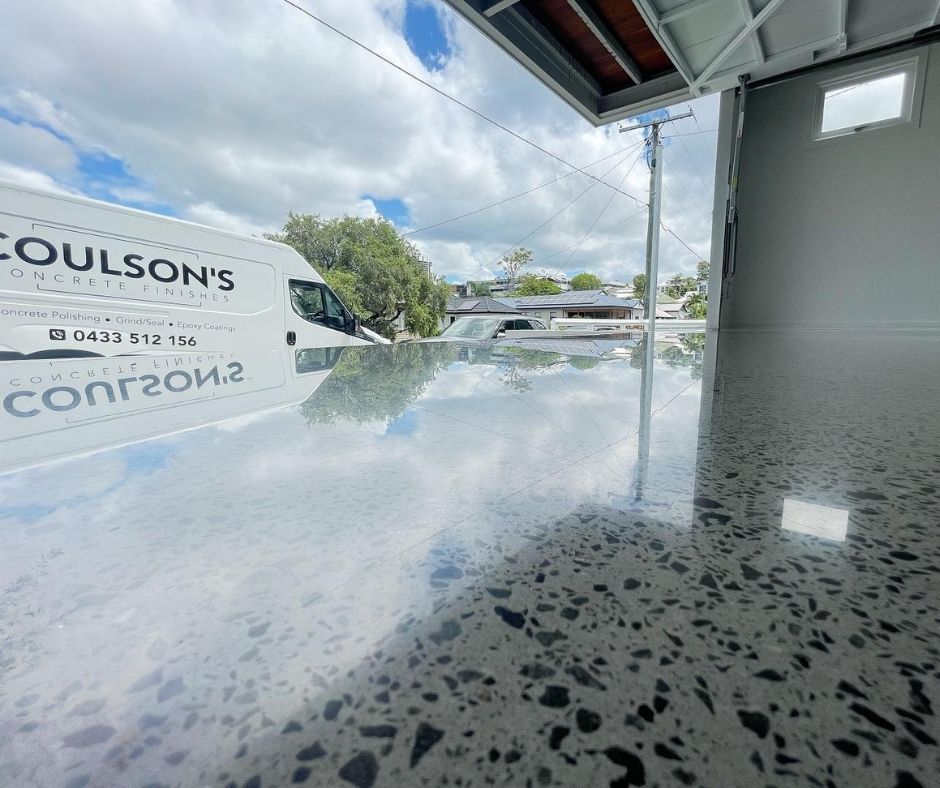
If you’re thinking long-term and the slab is a good candidate, polished concrete offers a standout lifespan and low ongoing maintenance. Ideal if you want a premium finish without relying on a thick film coating.
Conclusion
The best-looking garage floor on day one isn’t always the best-performing garage floor on year five.
Your best result comes from matching:
- Usage (daily parking, workshop, gym, storage, rental turnover)
- Slab condition (moisture, cracks, old coatings, levels)
- Lifecycle cost (recoats, repairs, downtime and not just the initial invoice)
If you’re on the Gold Coast and want garage floor surface options that last in real conditions, like heat, humidity, sand and spills, get the slab assessed before you commit. Coulson’s Concrete Finishes is a locally based team with a focus on polishing, honing, surface preparation and epoxy flake systems. We can help you choose a system that suits the concrete you actually have, not the one you wish you had.
Book an on-site assessment with us and receive a tailored service for your garage.
Key Takeaways
- Coatings bond to concrete and can deliver the best durability when prep is done properly.
- Coverings are fast and DIY-friendly, but don’t fix moisture or poor slab conditions.
- Polished/honed concrete suits long-term, low-maintenance outcomes when the slab is suitable.
- Epoxy flake systems are a common “best value” pick for durability, looks, and easy cleaning.
Frequently Asked Questions
What are the most durable garage floor surface options for daily parking?
For daily parking, the most durable long-term choices are typically a properly installed epoxy flake coating system or a mechanically finished surface like polished concrete, assuming the slab is suitable and correctly prepared.
Is epoxy flooring slippery when wet, and how do you increase grip?
It can be if it’s finished too smoothly. Slip resistance can be increased with the right topcoat choice and by adding traction media where needed, especially near the garage door where water gets tracked in.
What’s the difference between polished concrete and honed concrete for a garage?
Polished concrete is refined to a higher sheen with densification for a harder, glossier finish. Honed concrete is typically a lower-sheen (often satin/matte) mechanically refined finish that’s then sealed, often chosen when you want a modern look with practical grip.
Do I need to repair cracks before sealing, polishing or applying epoxy?
In most cases, yes. Cracks and damaged areas should be assessed and repaired appropriately before applying a finish, otherwise the defect can reflect through or compromise the system’s performance.
How do I know if moisture in my slab will cause coating failure?
Common warning signs include bubbling, peeling coatings, damp patches or persistent dark areas. A proper assessment helps you choose a system that won’t be pushed off the slab over time.
Are interlocking garage tiles a good choice for rental properties?
They can be, especially when you need a fast, reversible upgrade and the slab is generally stable. Just keep in mind that debris and moisture can collect underneath if the garage gets wet often.
How long does epoxy last compared with sealed concrete?
A professionally installed epoxy system typically lasts longer than a basic sealer because it forms a tougher protective layer. Lifespan depends heavily on prep quality, product quality and how the garage is used.
Can you apply epoxy over old paint or an existing coating?
Sometimes, but only if the existing surface is sound and properly prepared. If paint or old coatings are peeling or poorly bonded, they usually need to be removed and the slab ground so the new system can adhere reliably.
What’s the easiest garage floor surface to clean for tenants?
A smooth, sealed or coated surface that’s designed for easy maintenance, like a well-installed epoxy flake system or a properly sealed honed finish, tends to be the most tenant-friendly.
What surface works best if the garage doubles as a gym or workshop?
For workshops, epoxy flake or polished concrete are popular for durability and cleanup. For a gym zone, rubber tiles/mats add comfort and grip, often used on top of an already sound, sealed or coated slab.